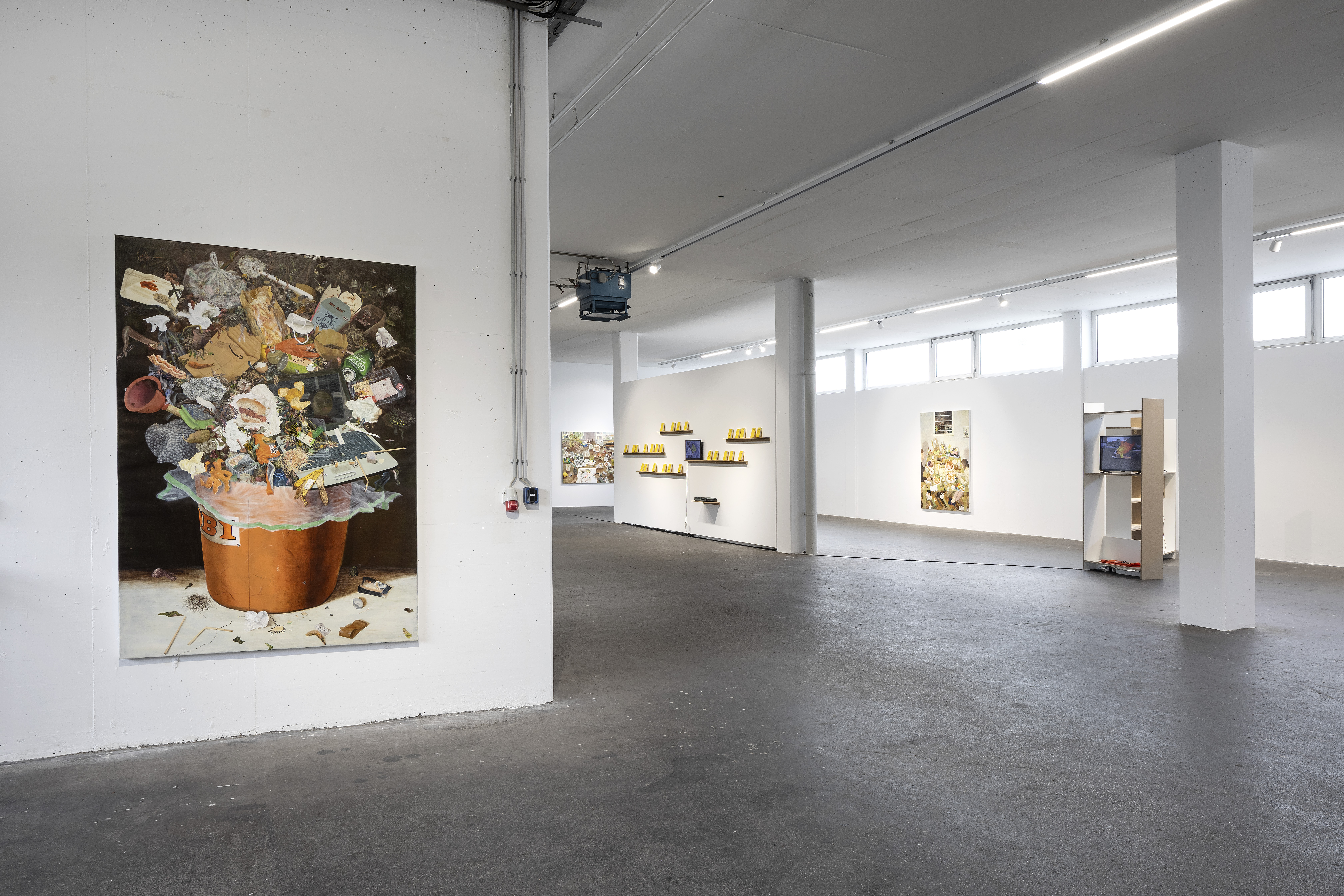
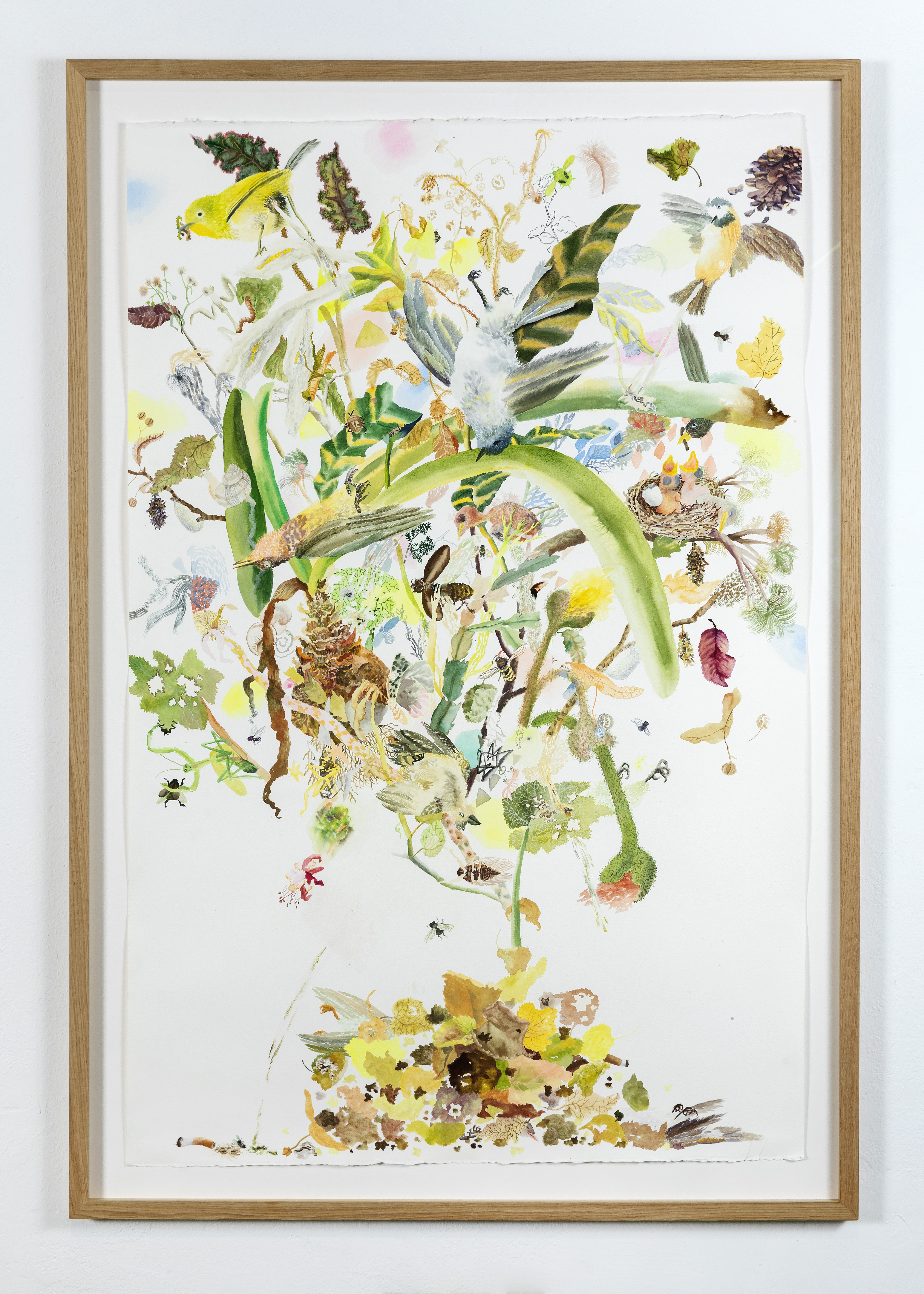
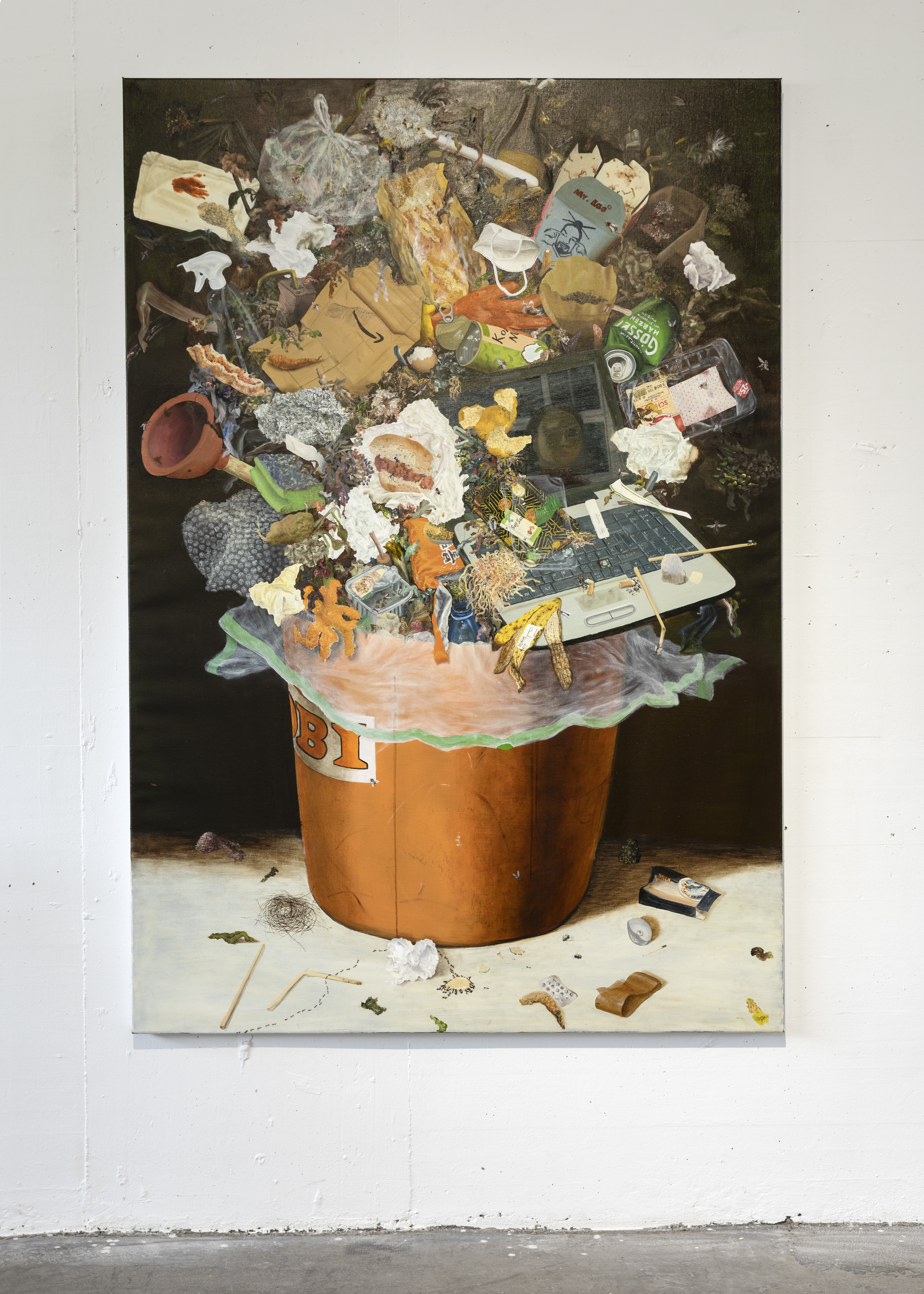
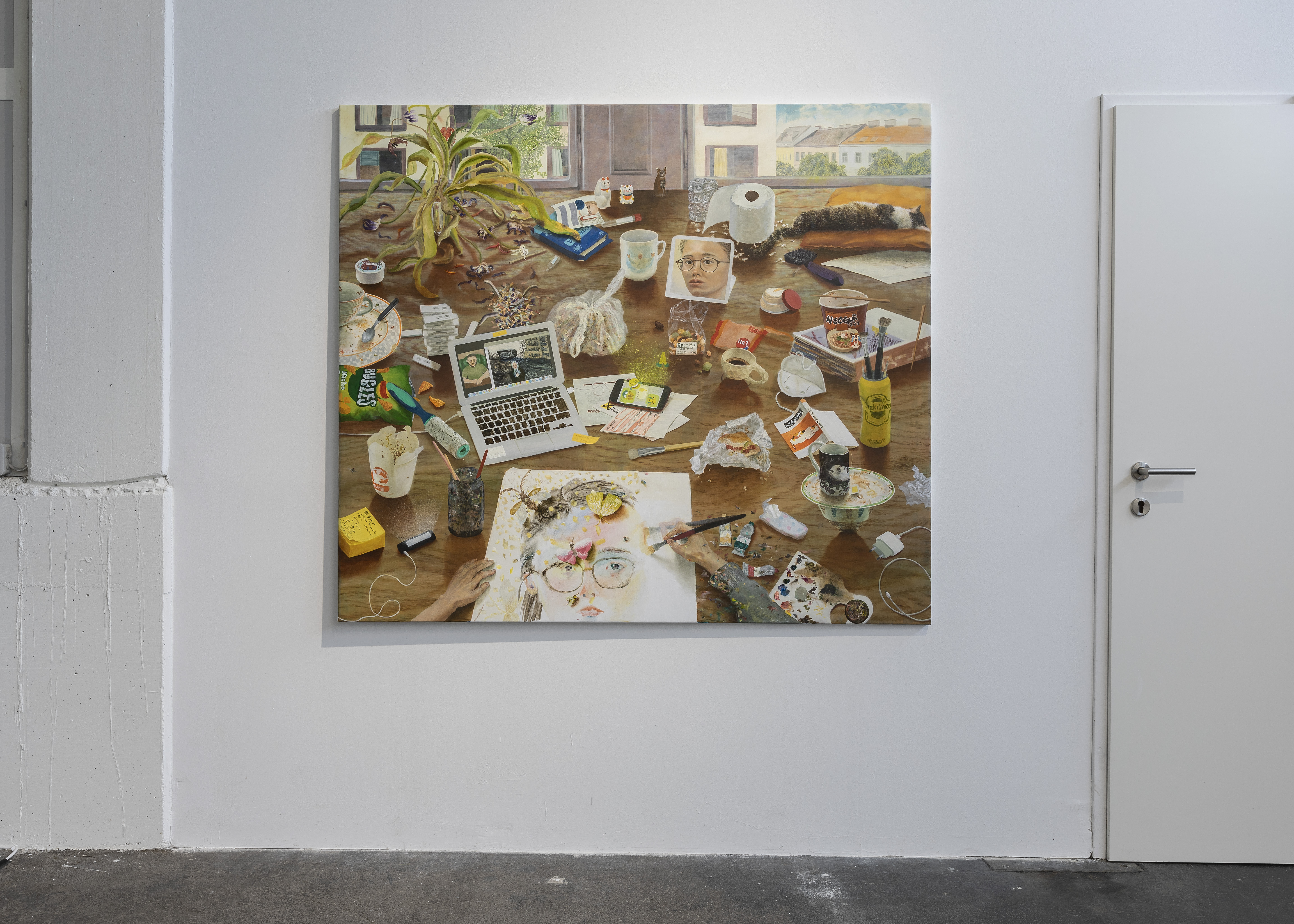
„The great bouquet“ 125×95 cm, oil on canvas, 2025 was acquired by the Albertina Museum for its collection.
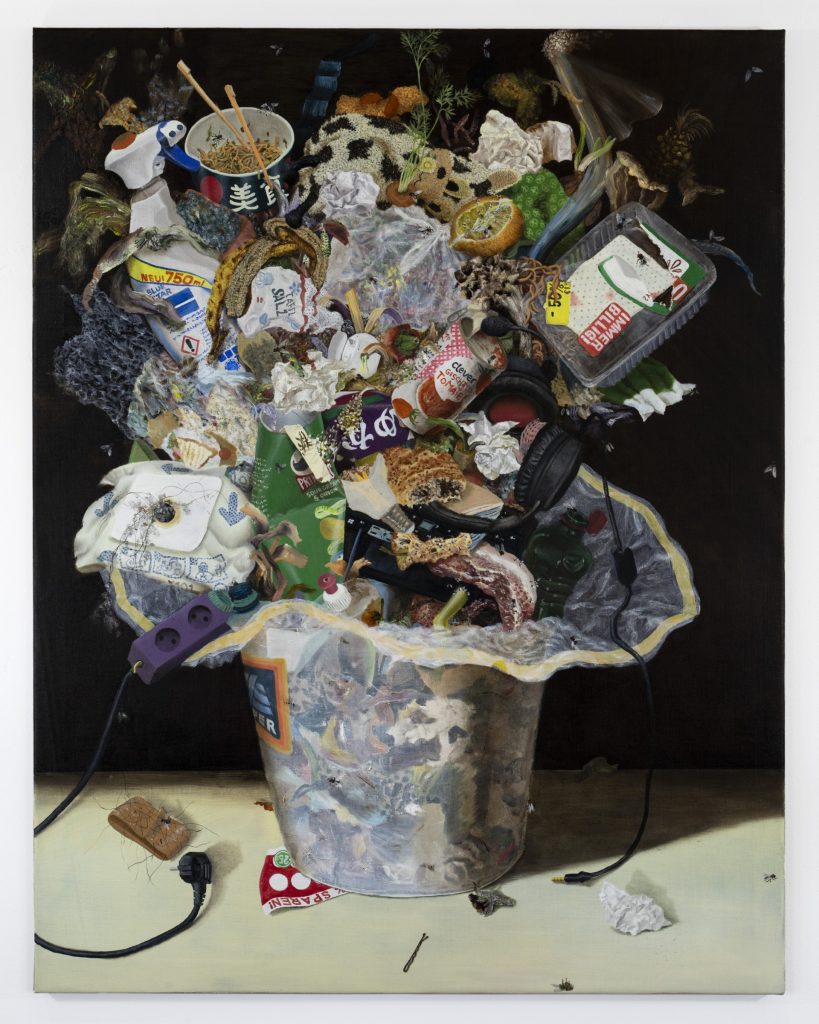
„The great bouquet“ 125×95 cm, oil on canvas, 2025 was acquired by the Albertina Museum for its collection.
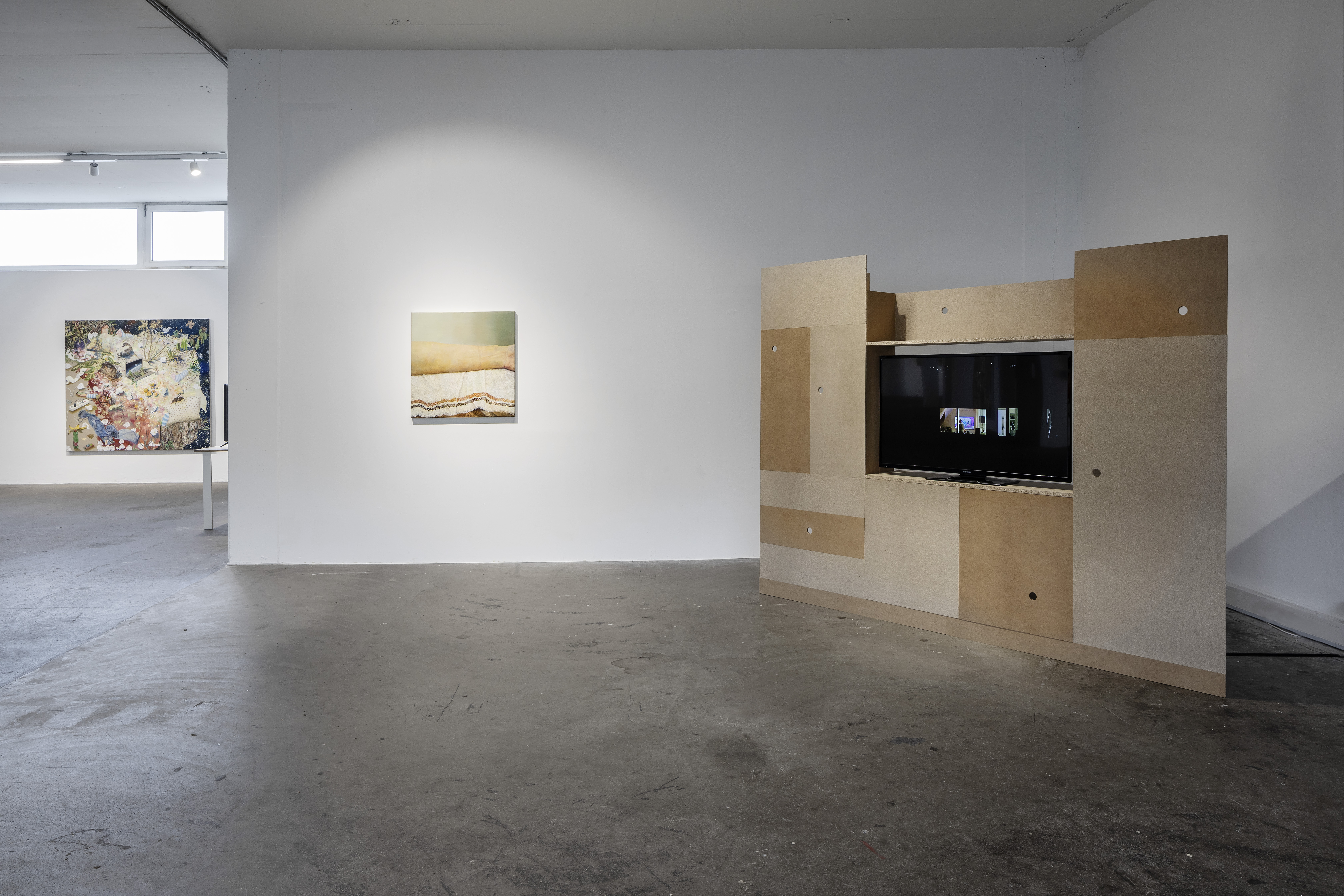
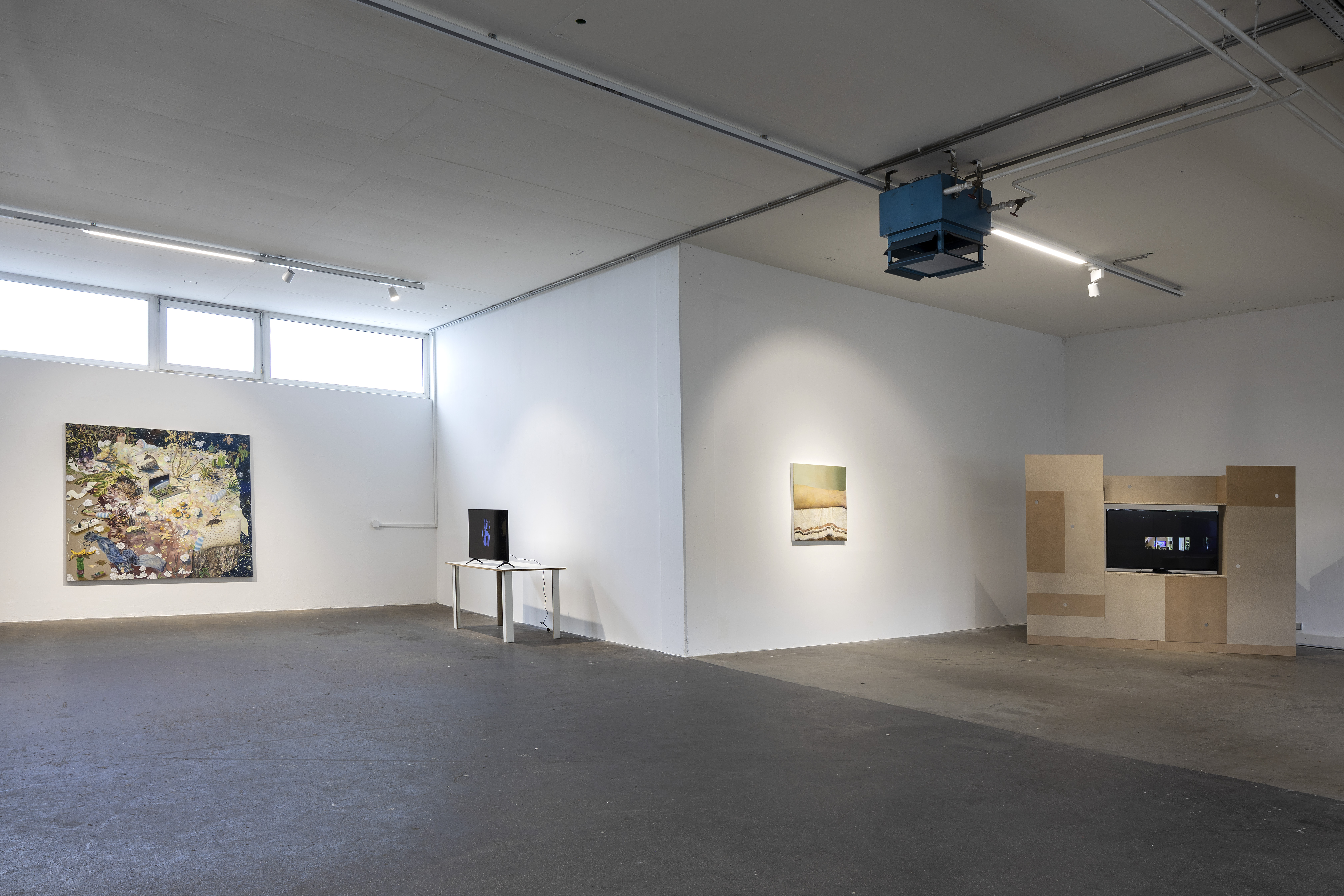
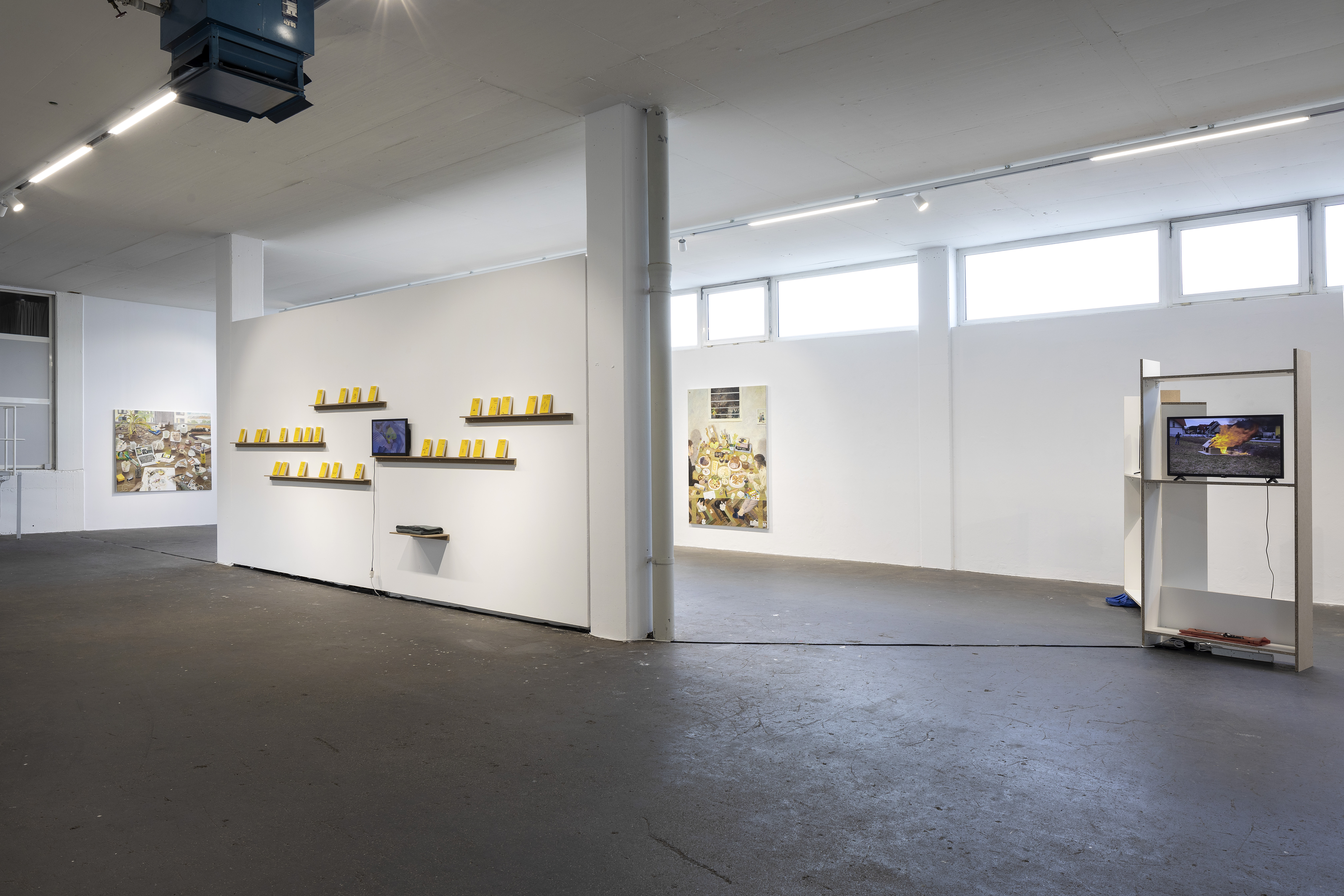
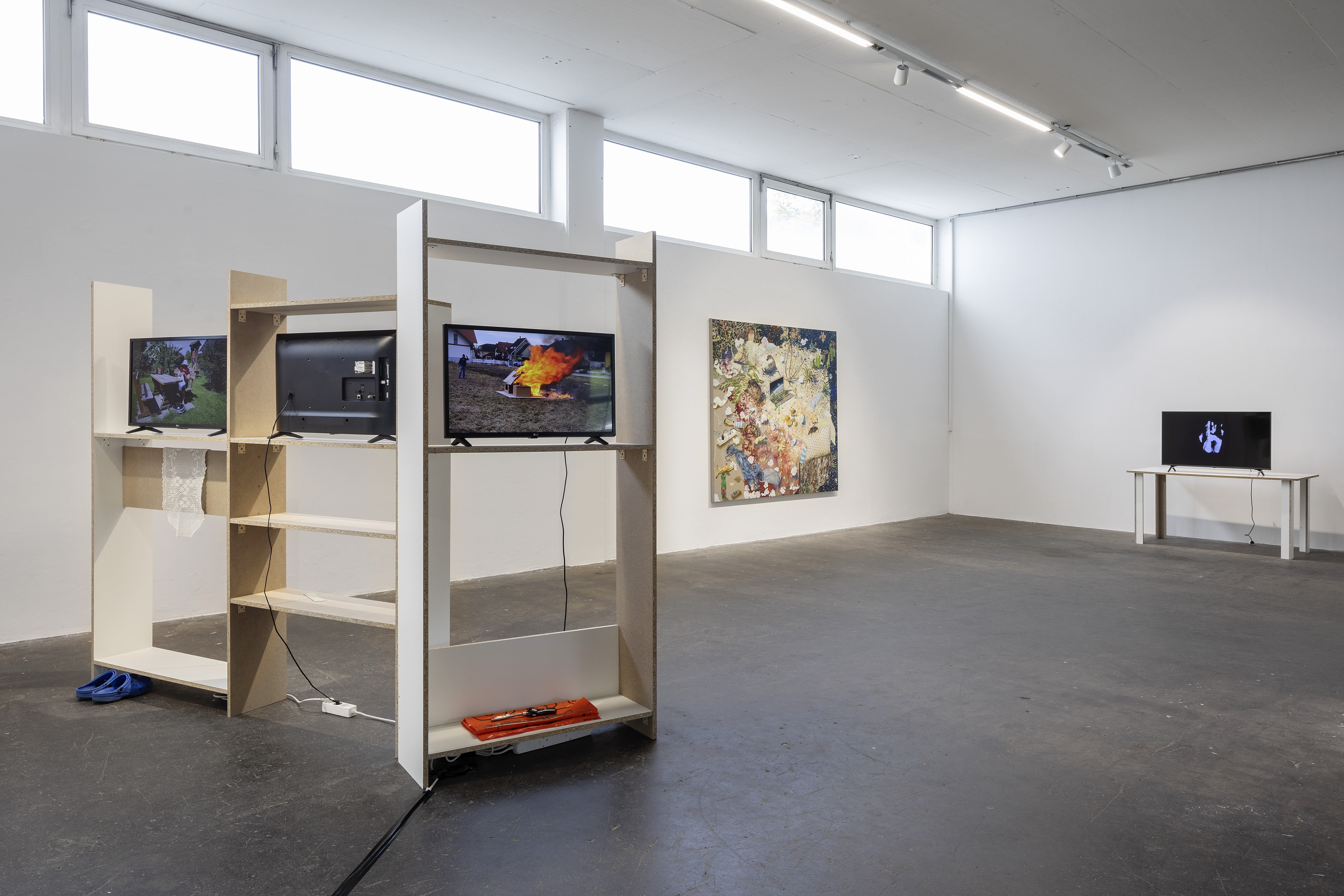
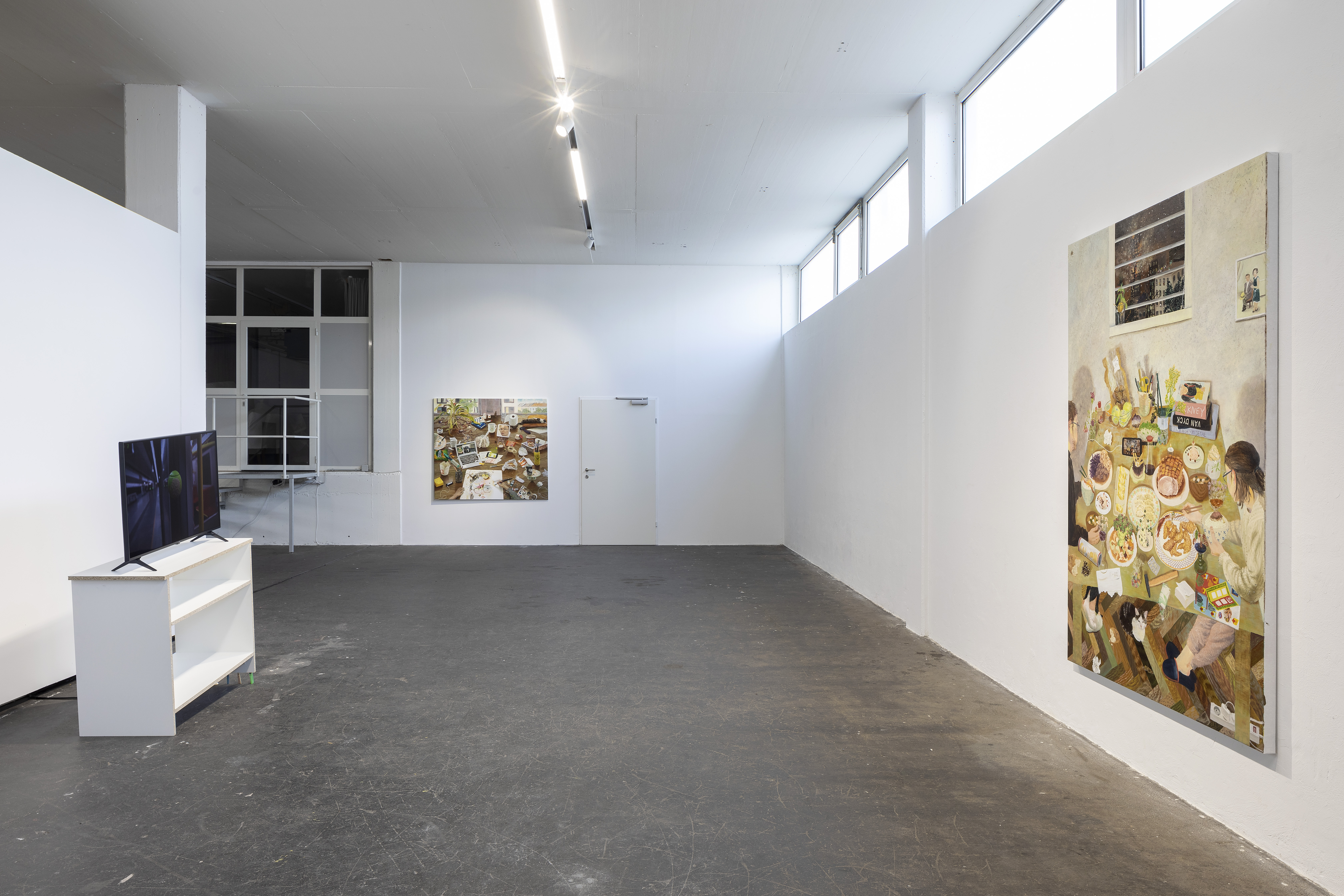
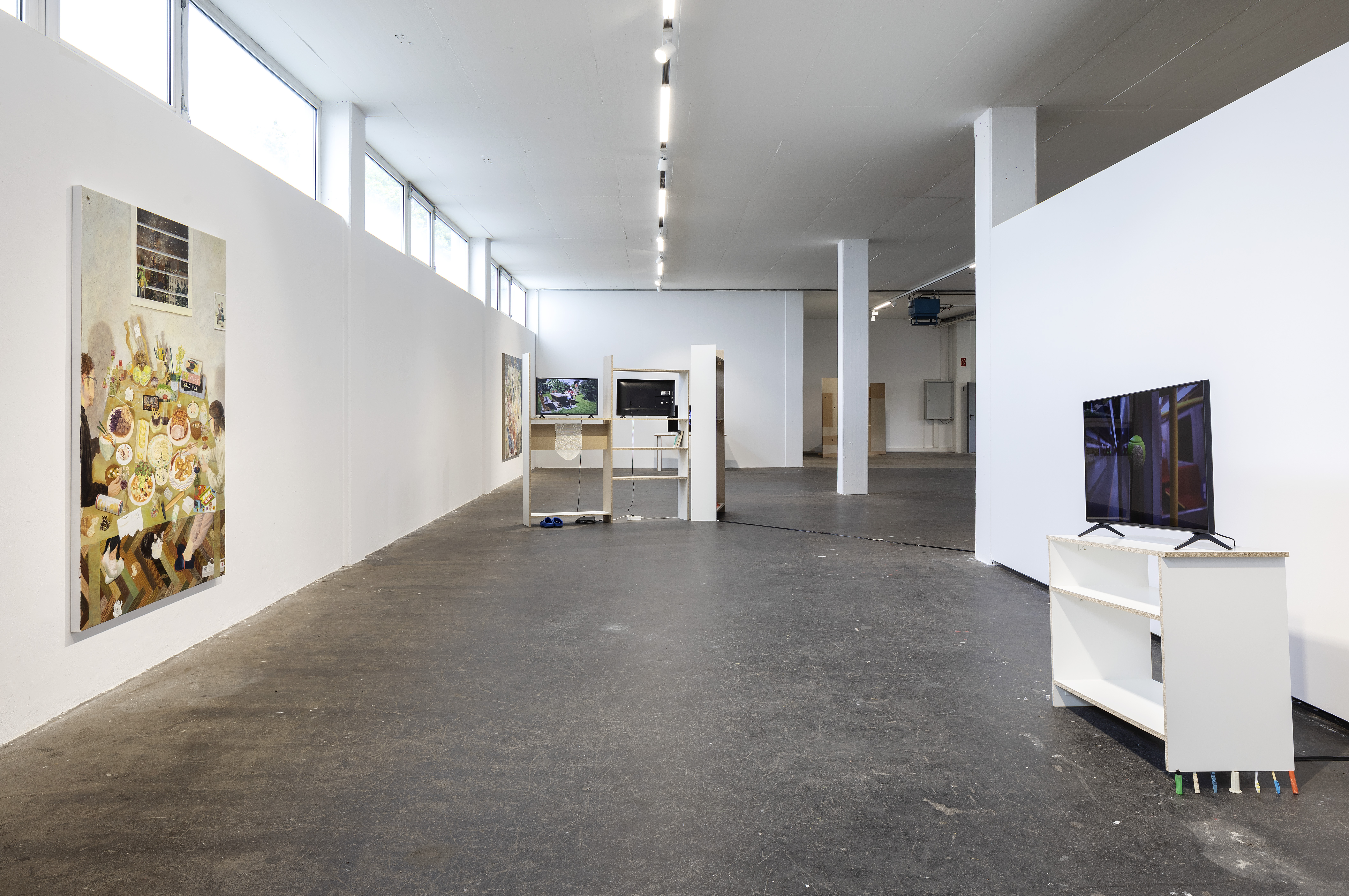
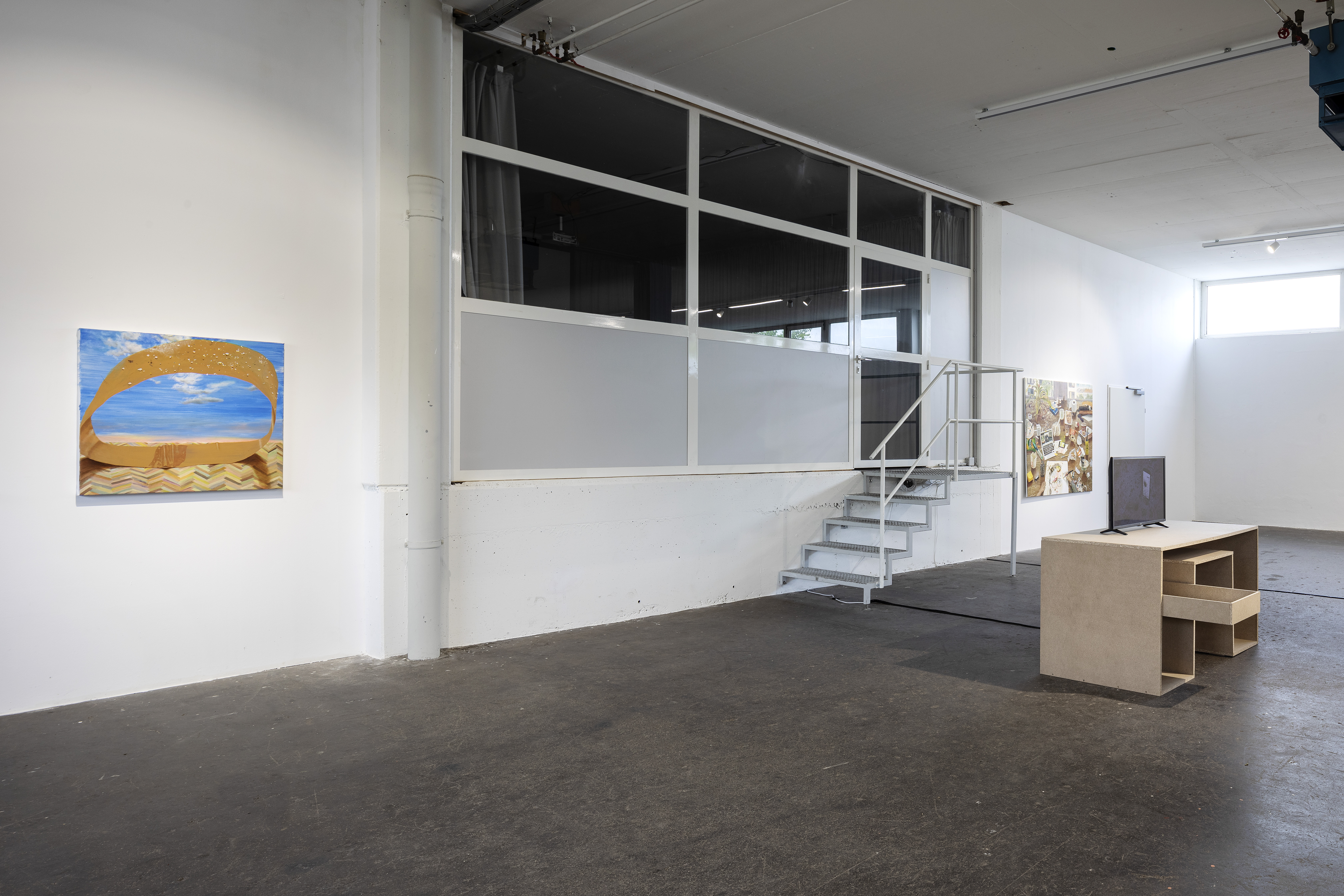
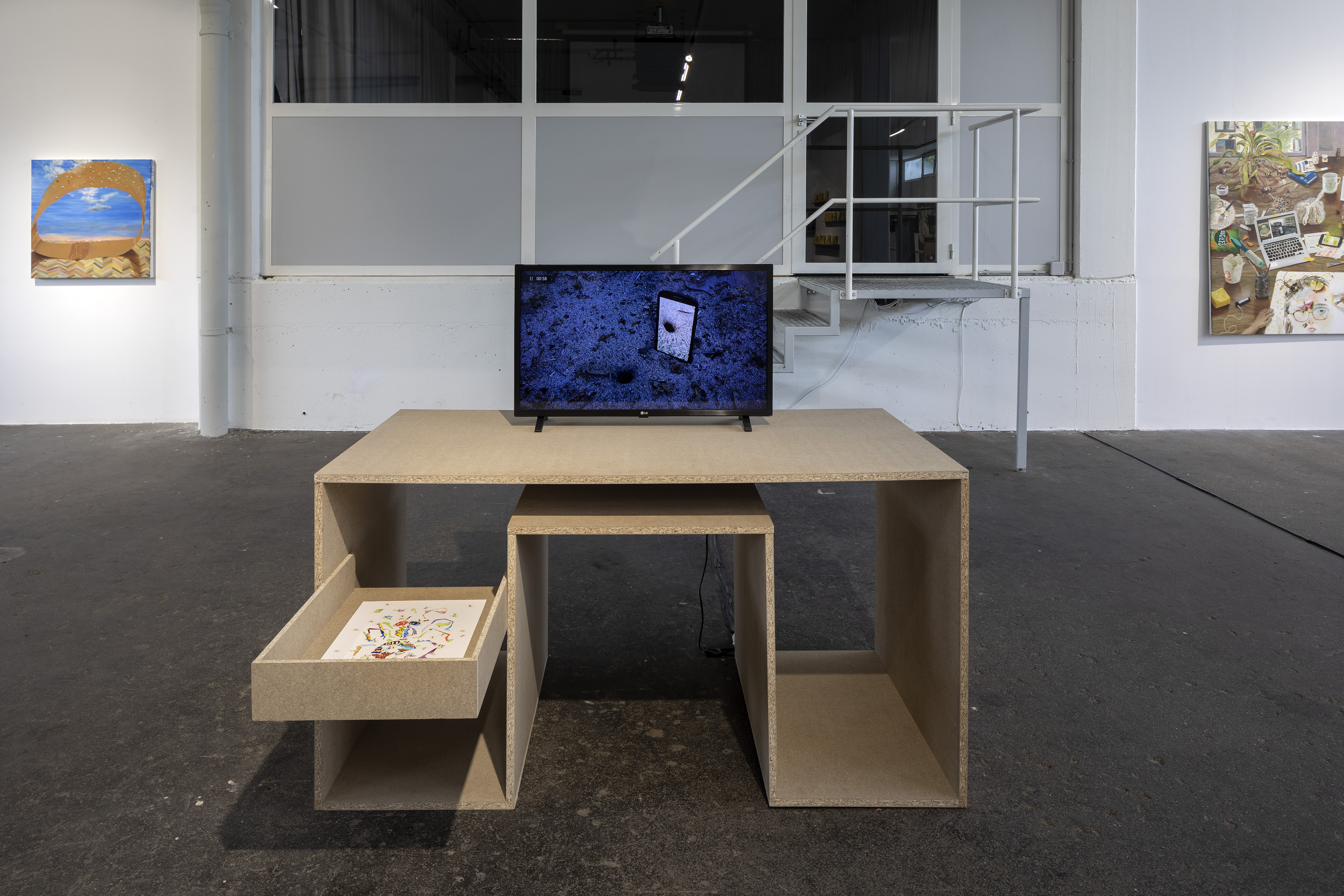
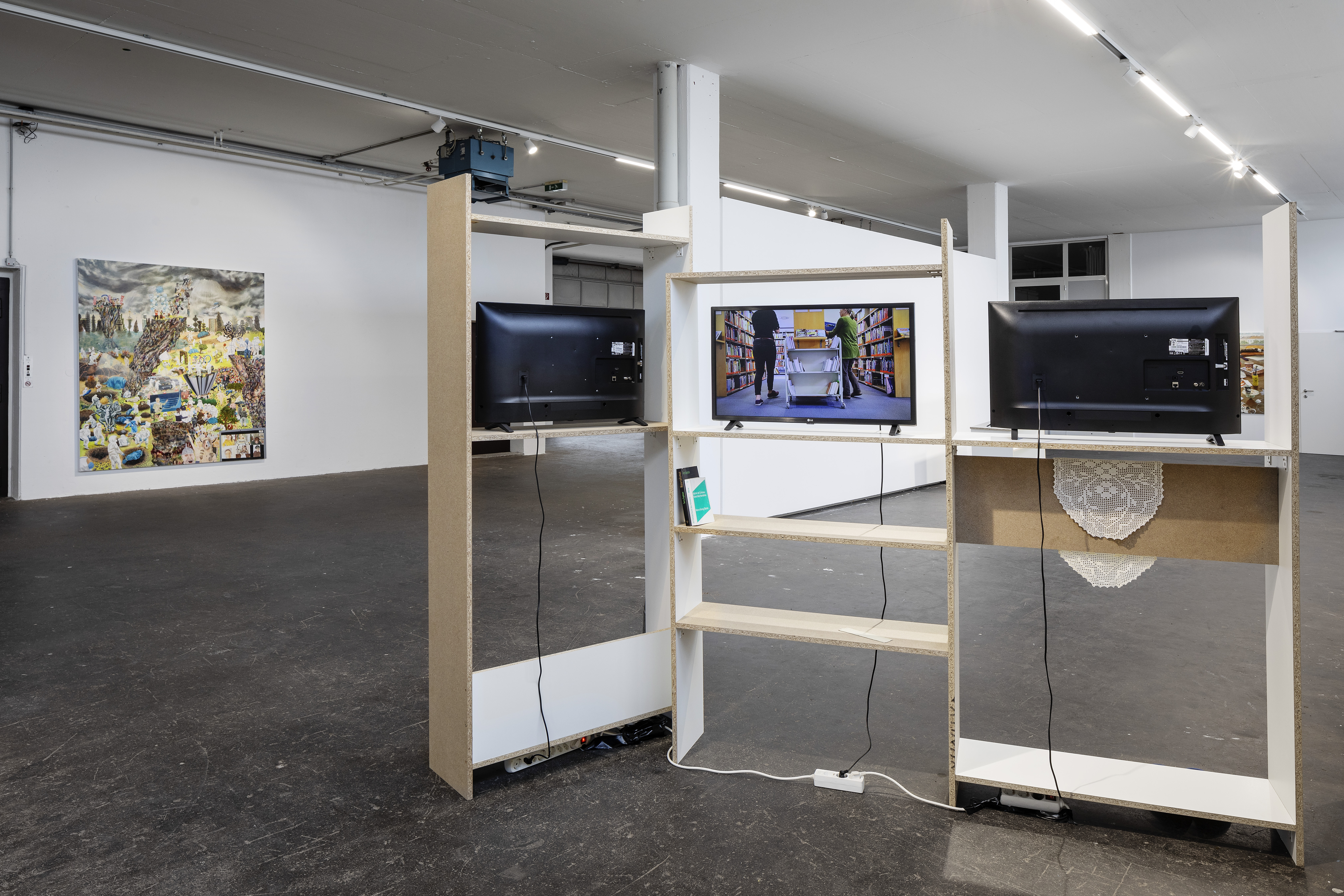
The group exhibition „The pointe“ at Elektrohalle Rhomberg in Salzburg 2025
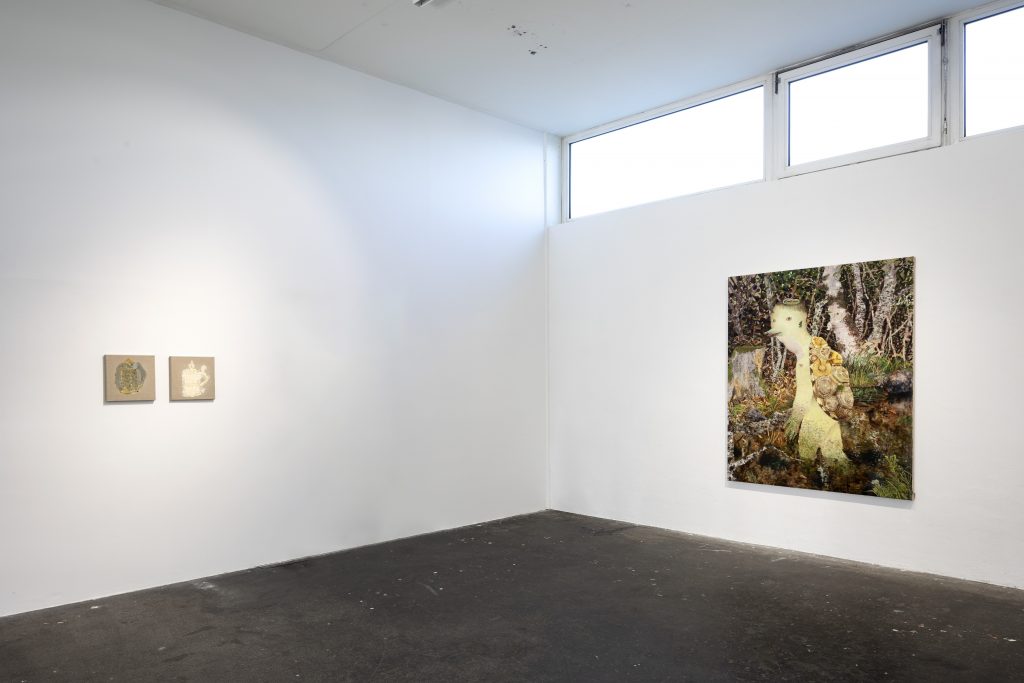
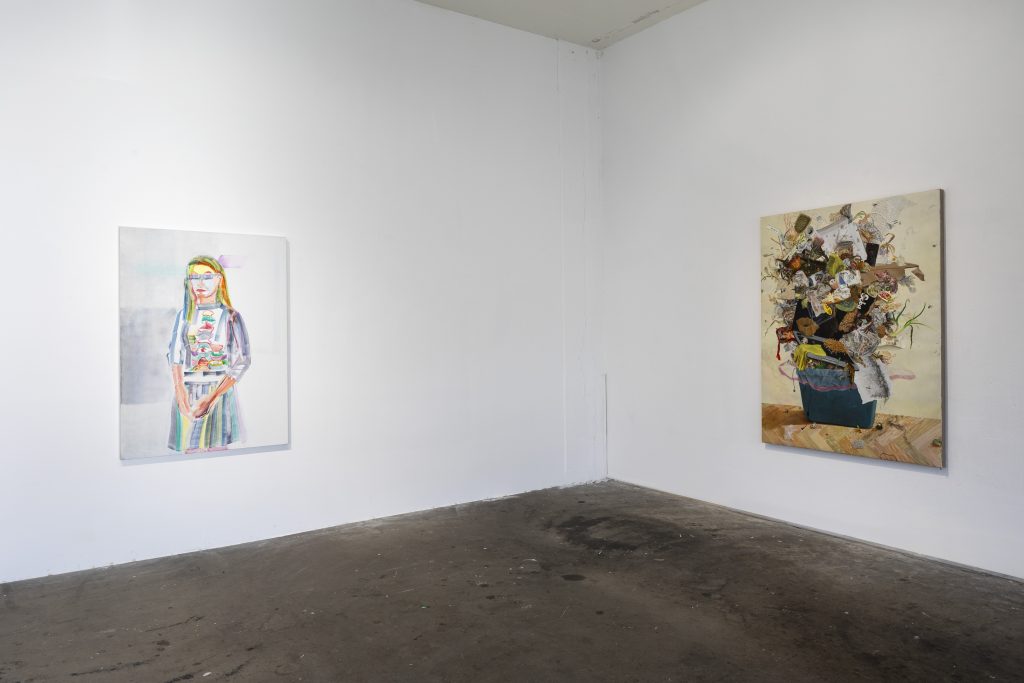
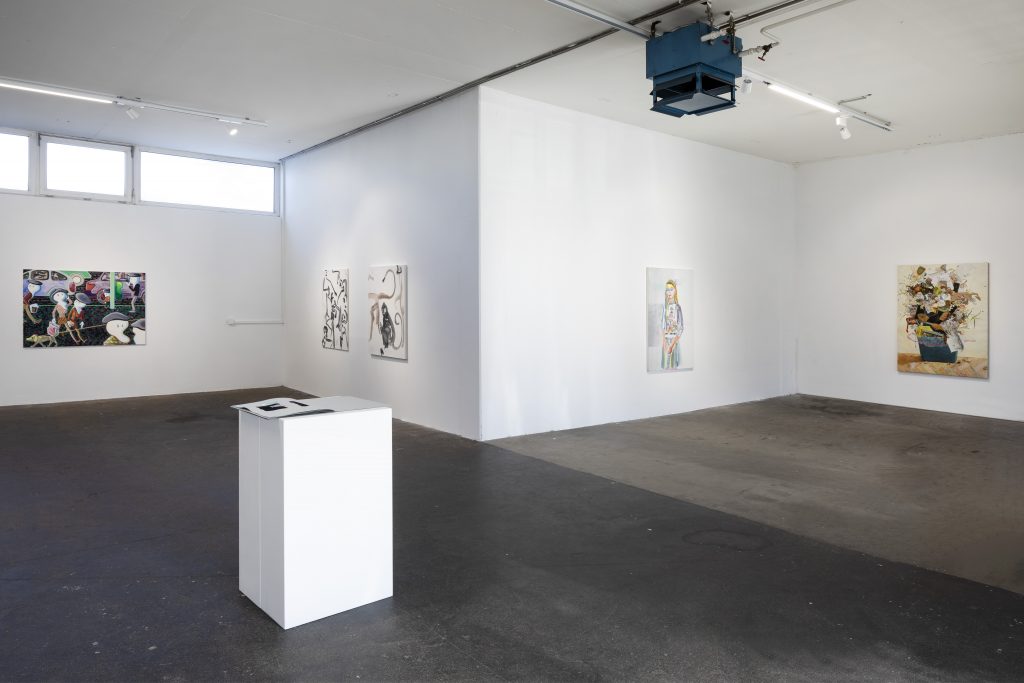
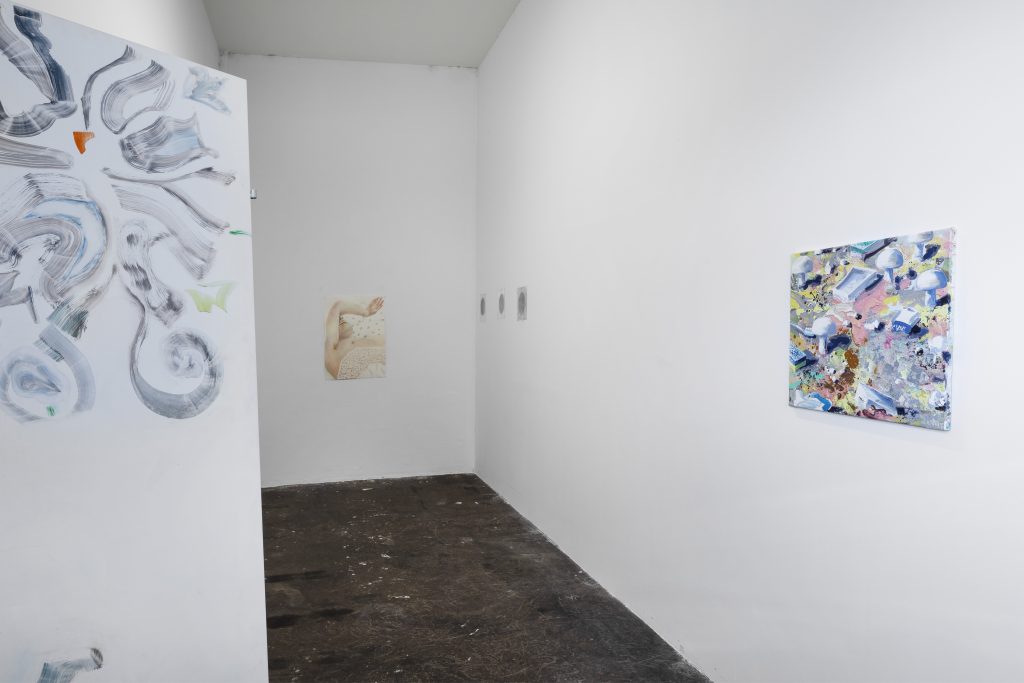
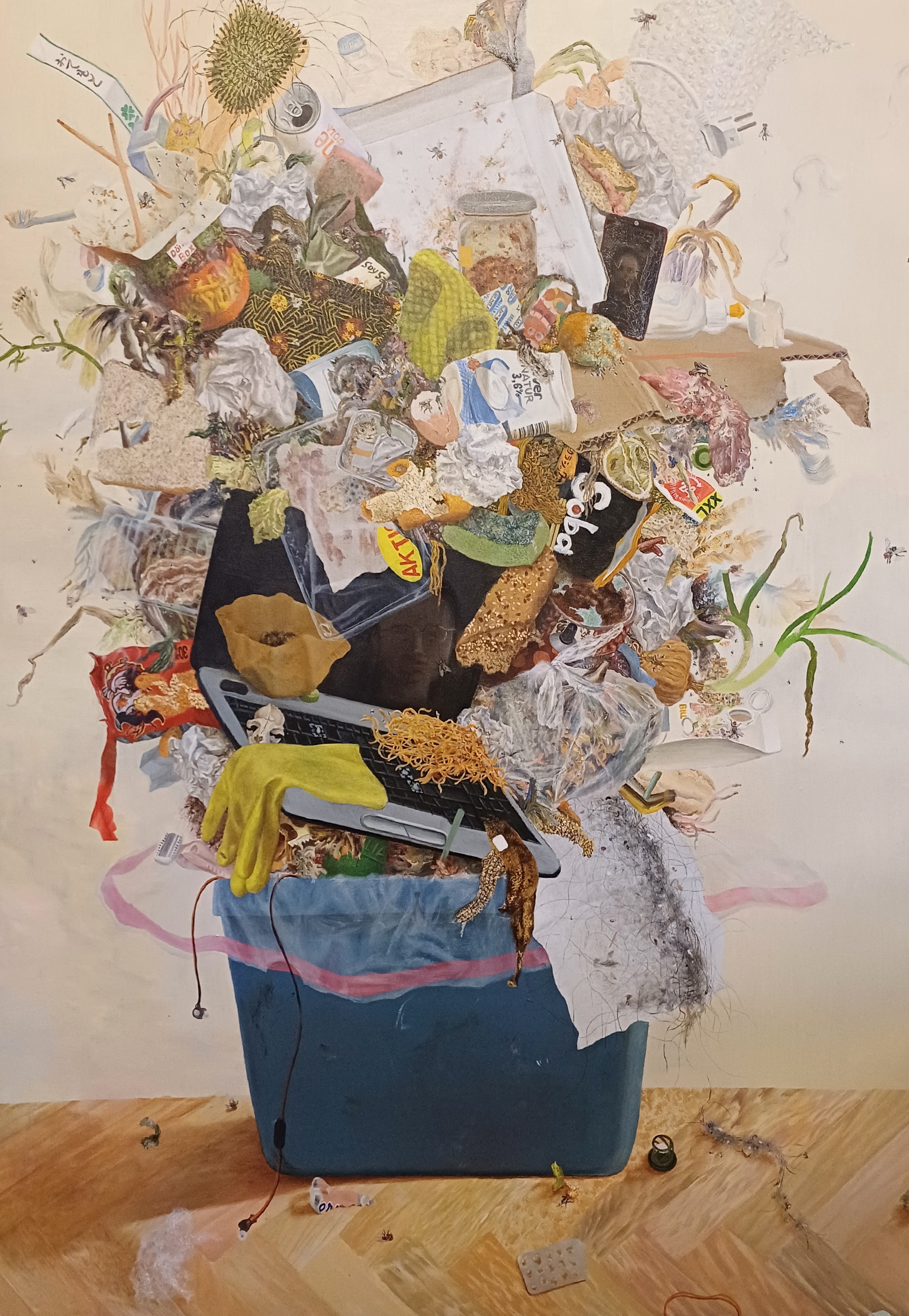
„The great bouquet 5“ 160 x 120 cm, oil on canvas 2024
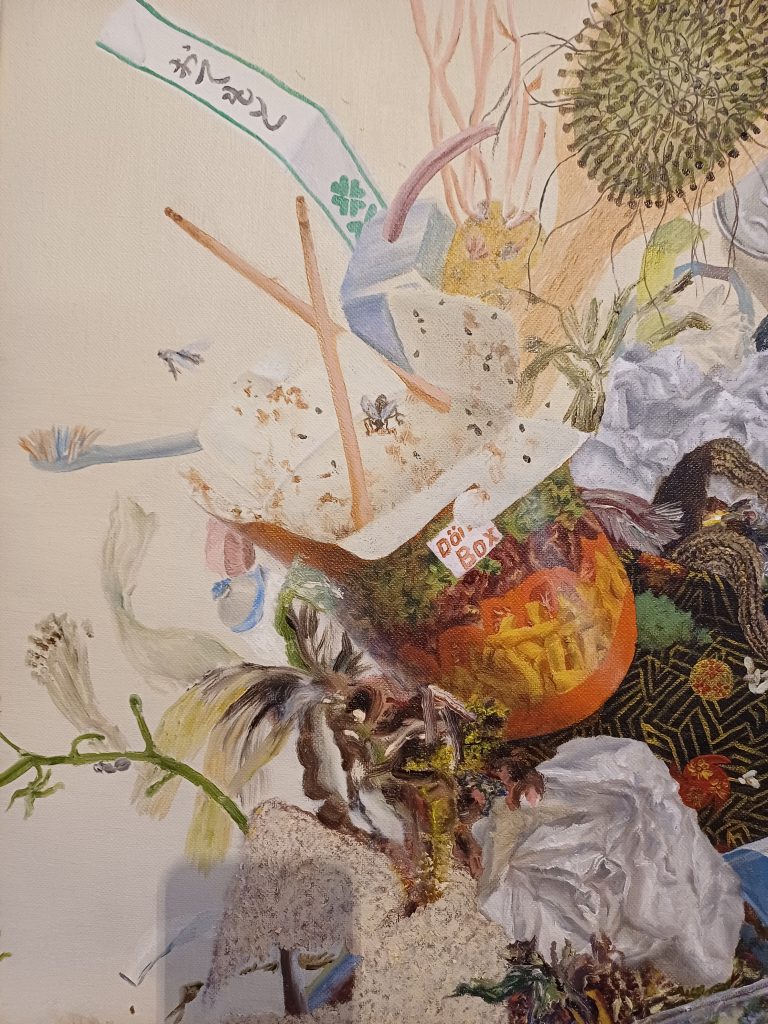
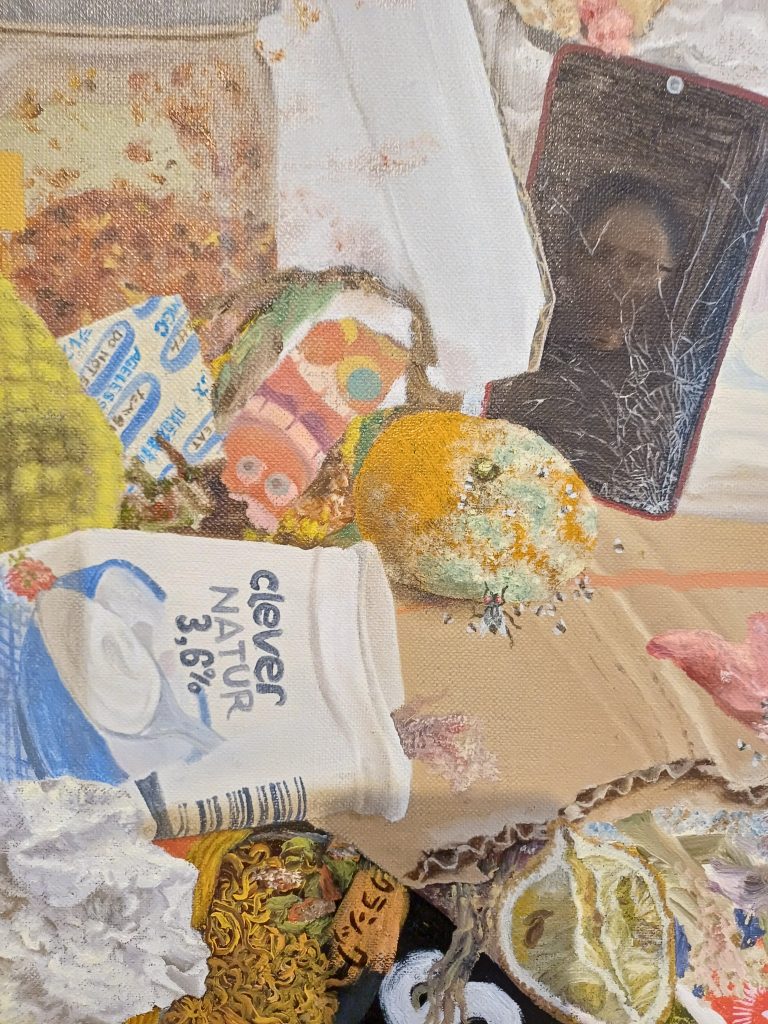
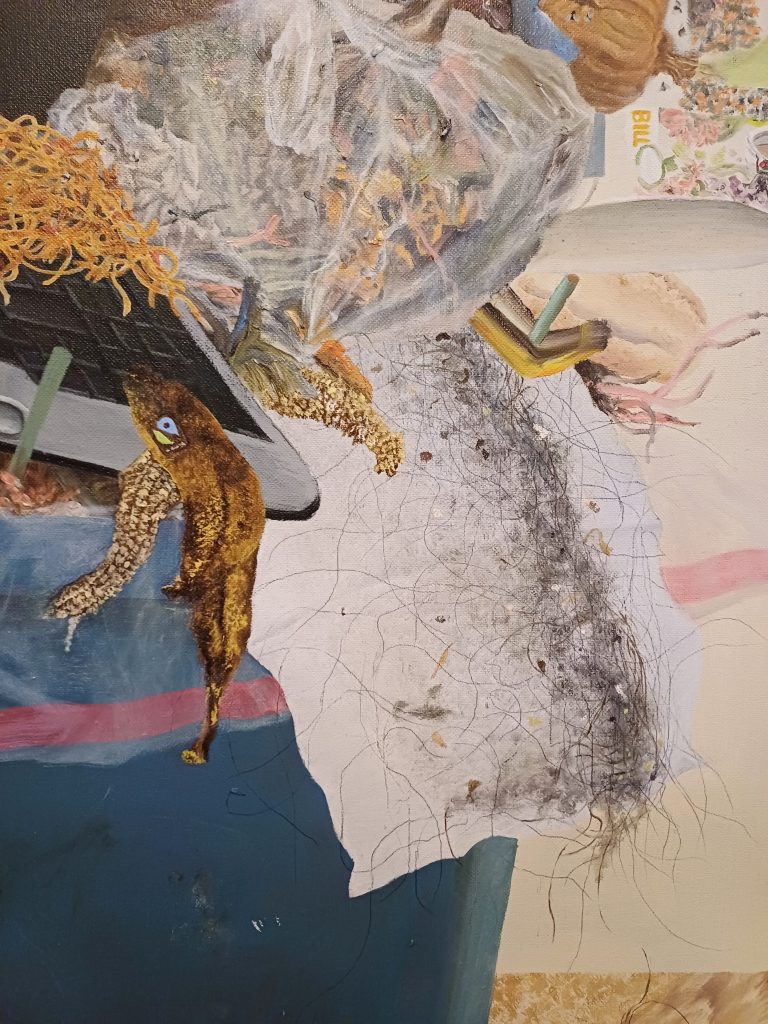
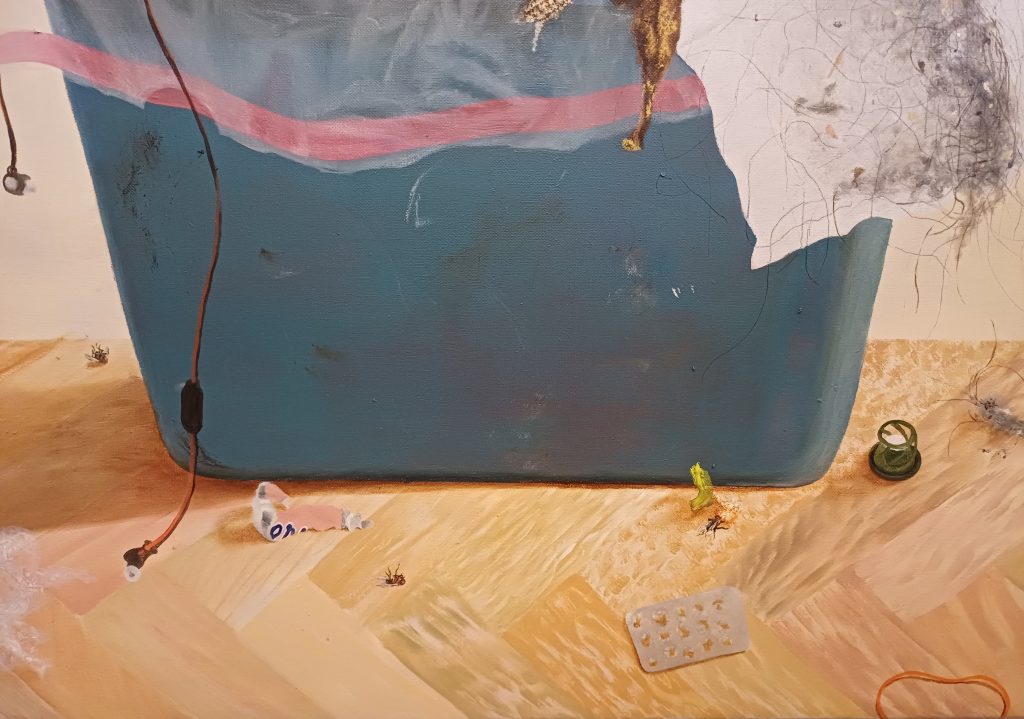
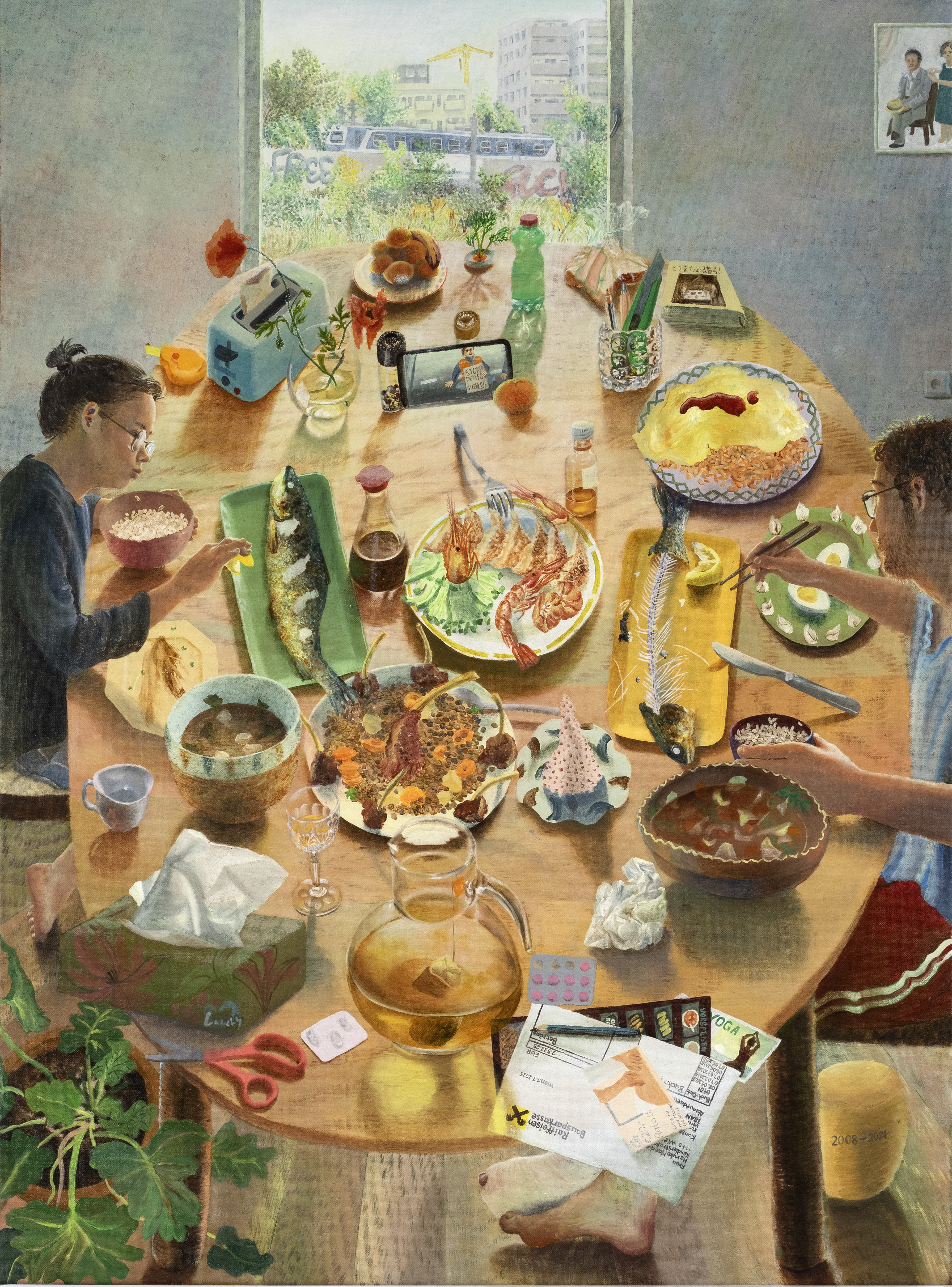
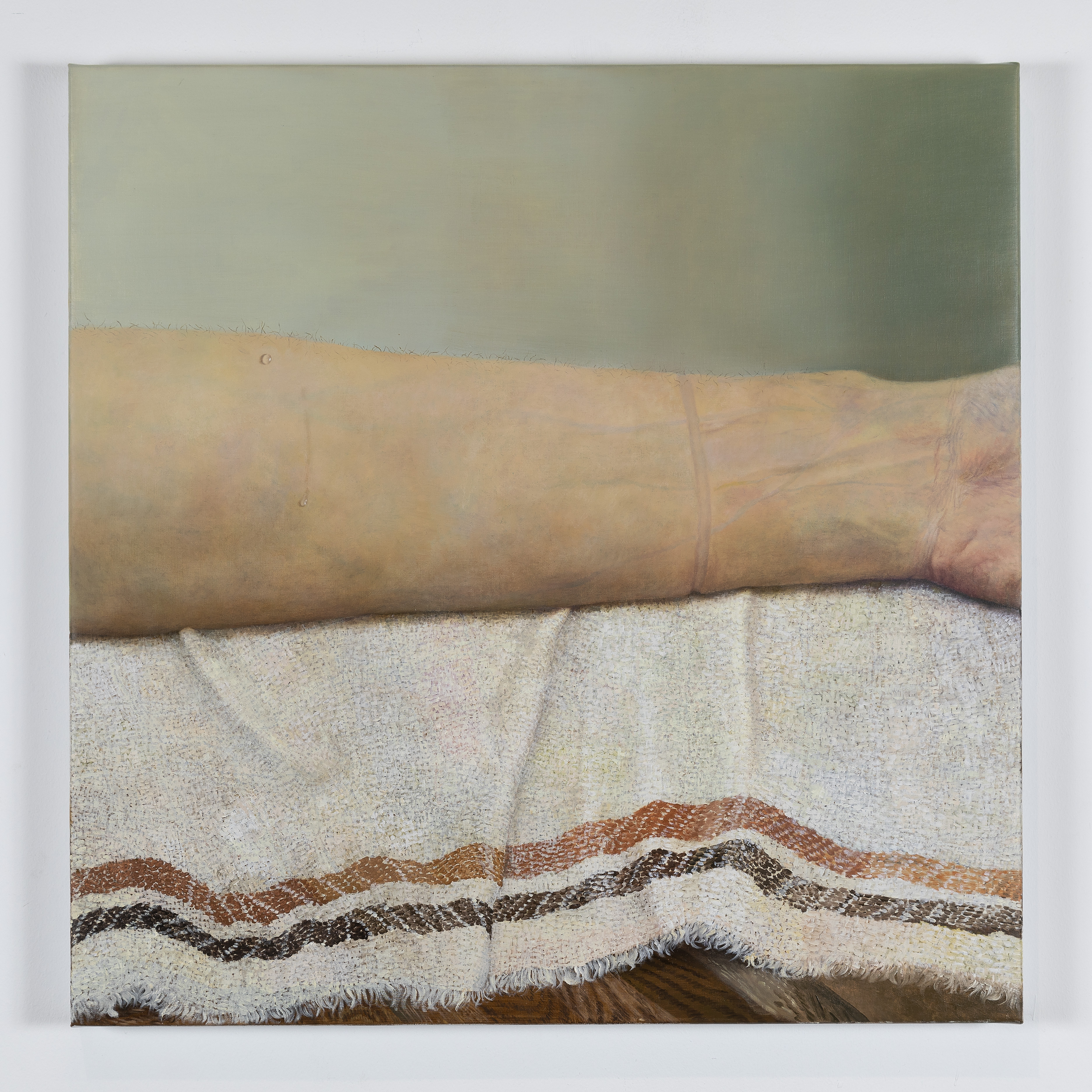
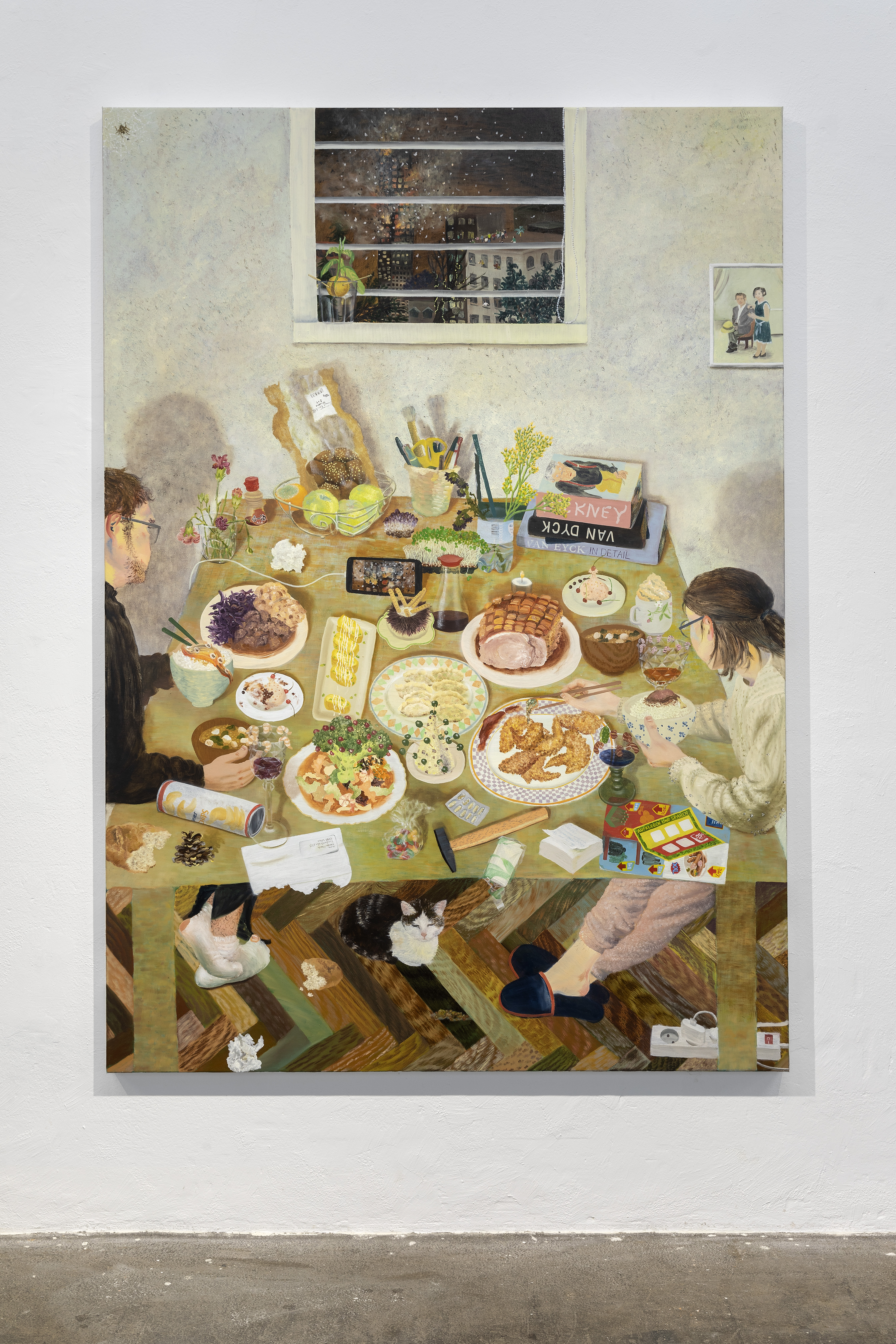
„Sonntag Nachmittag“ 125 x 95 cm, Oil on canvas, 2025
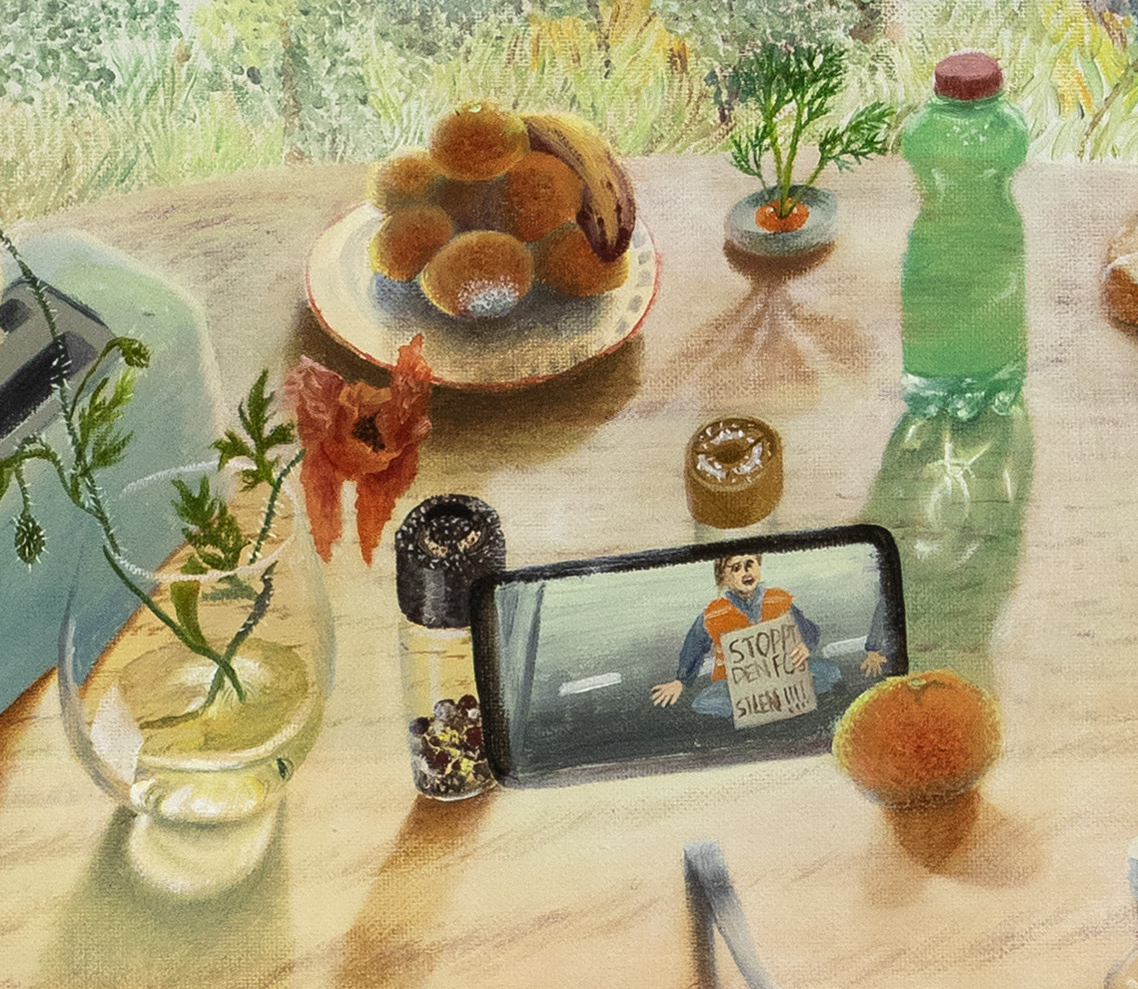
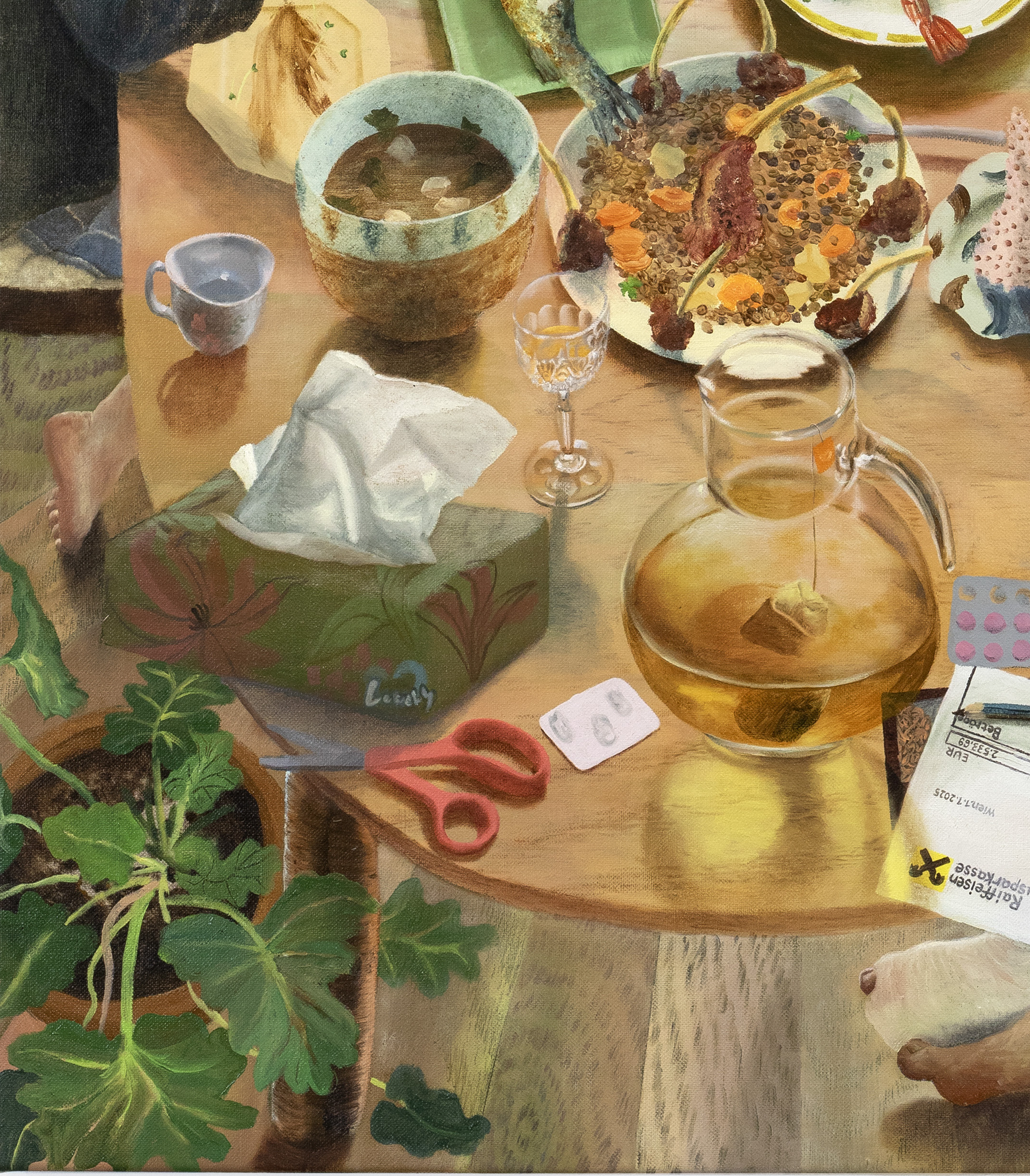
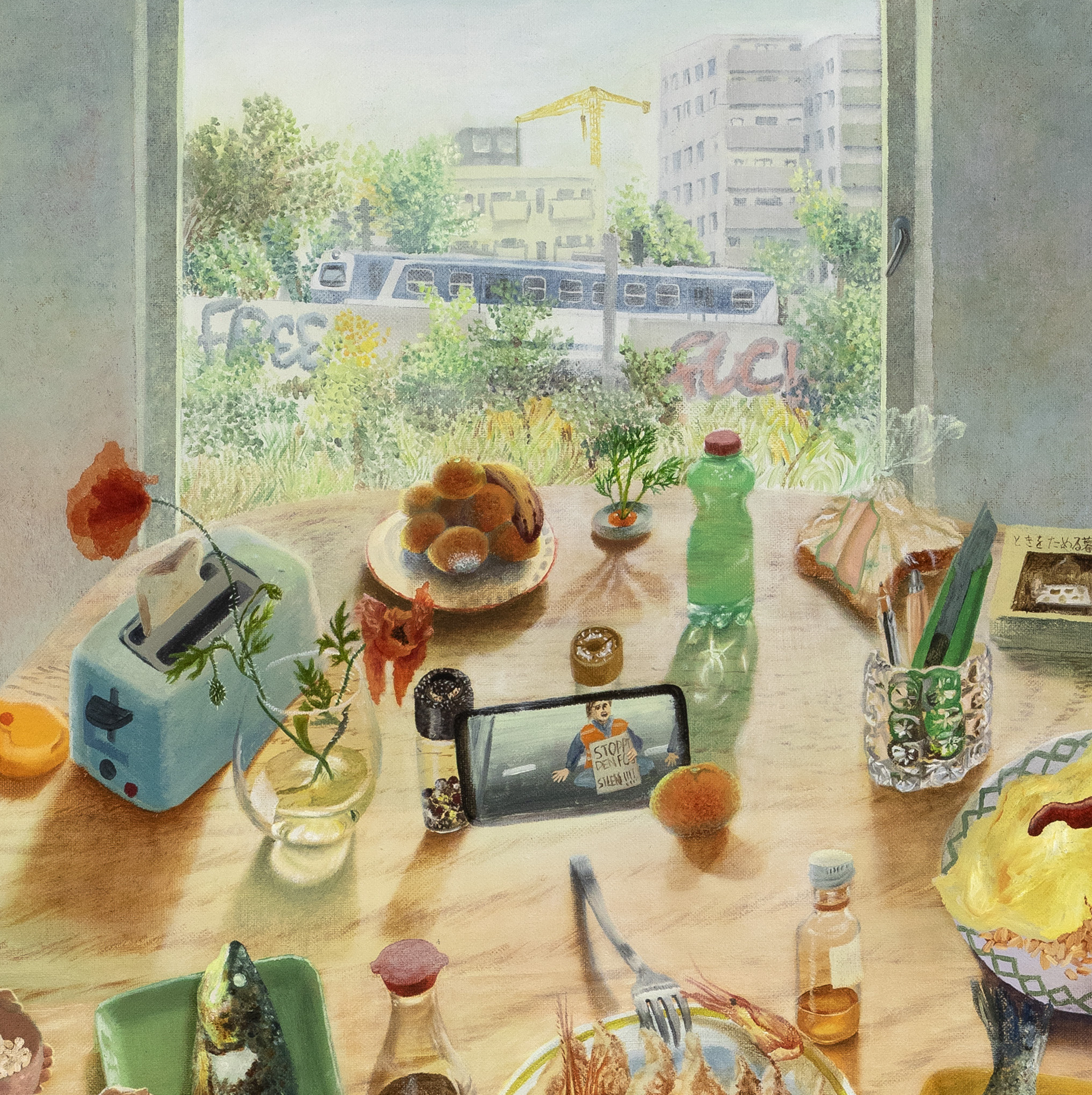
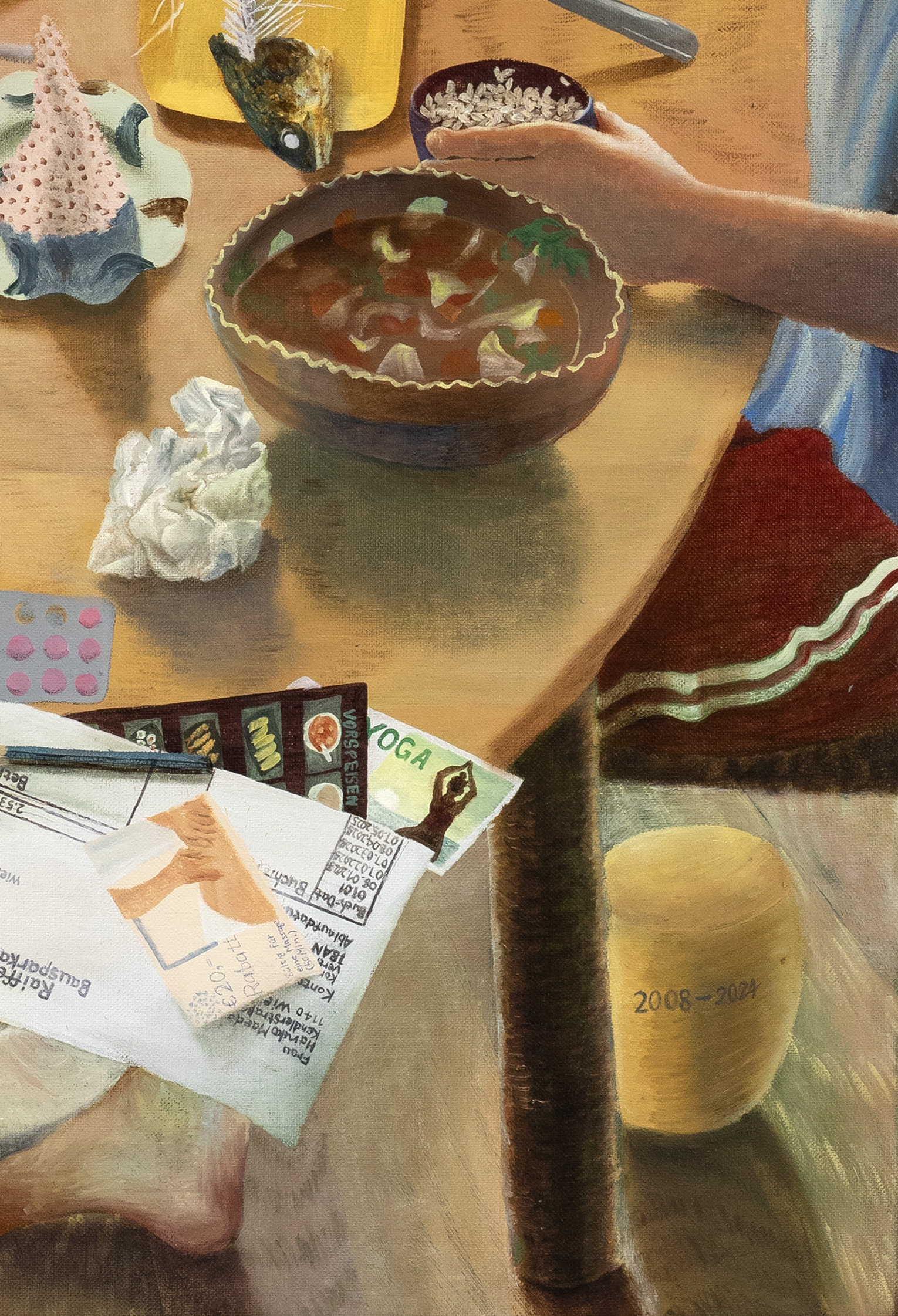
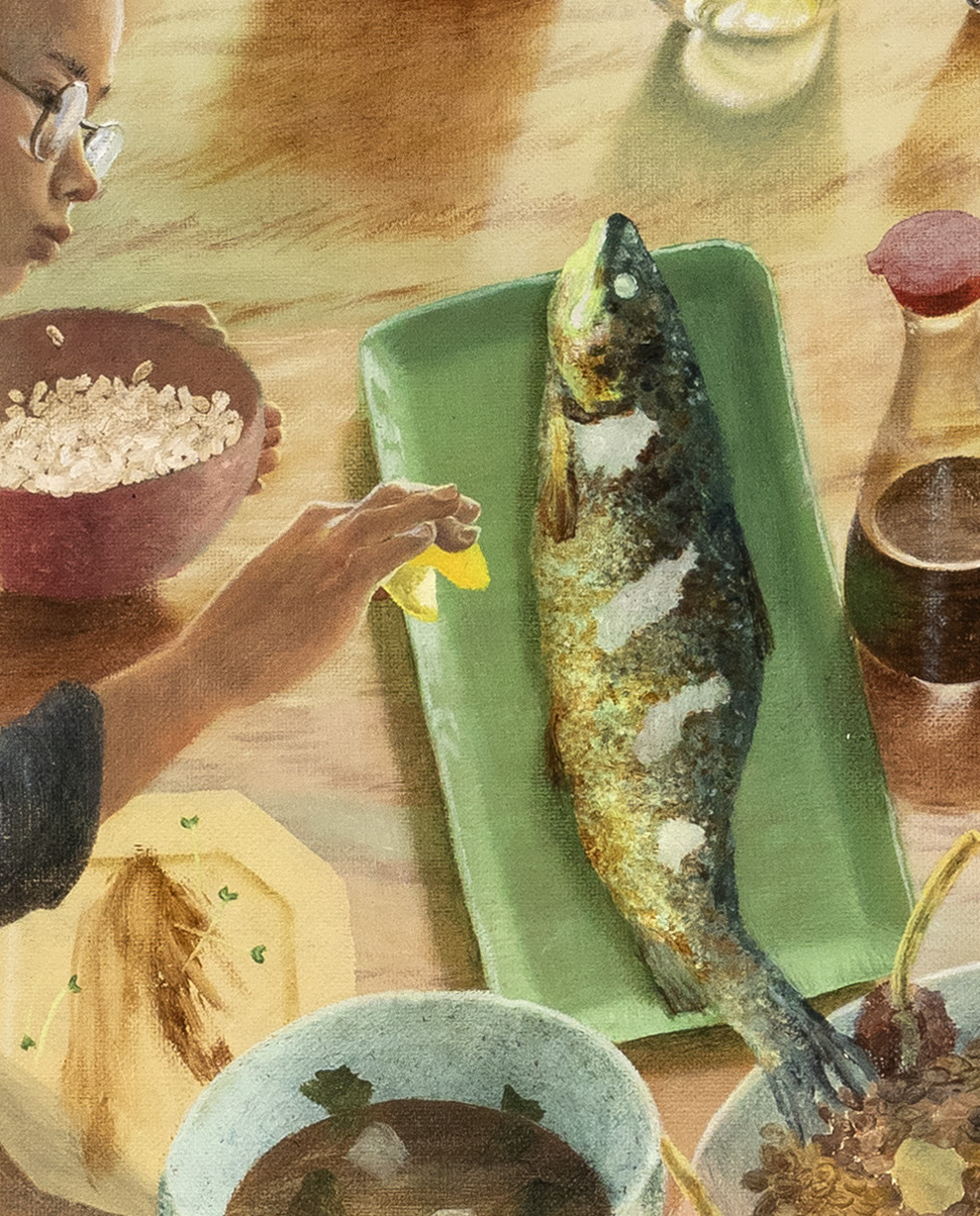
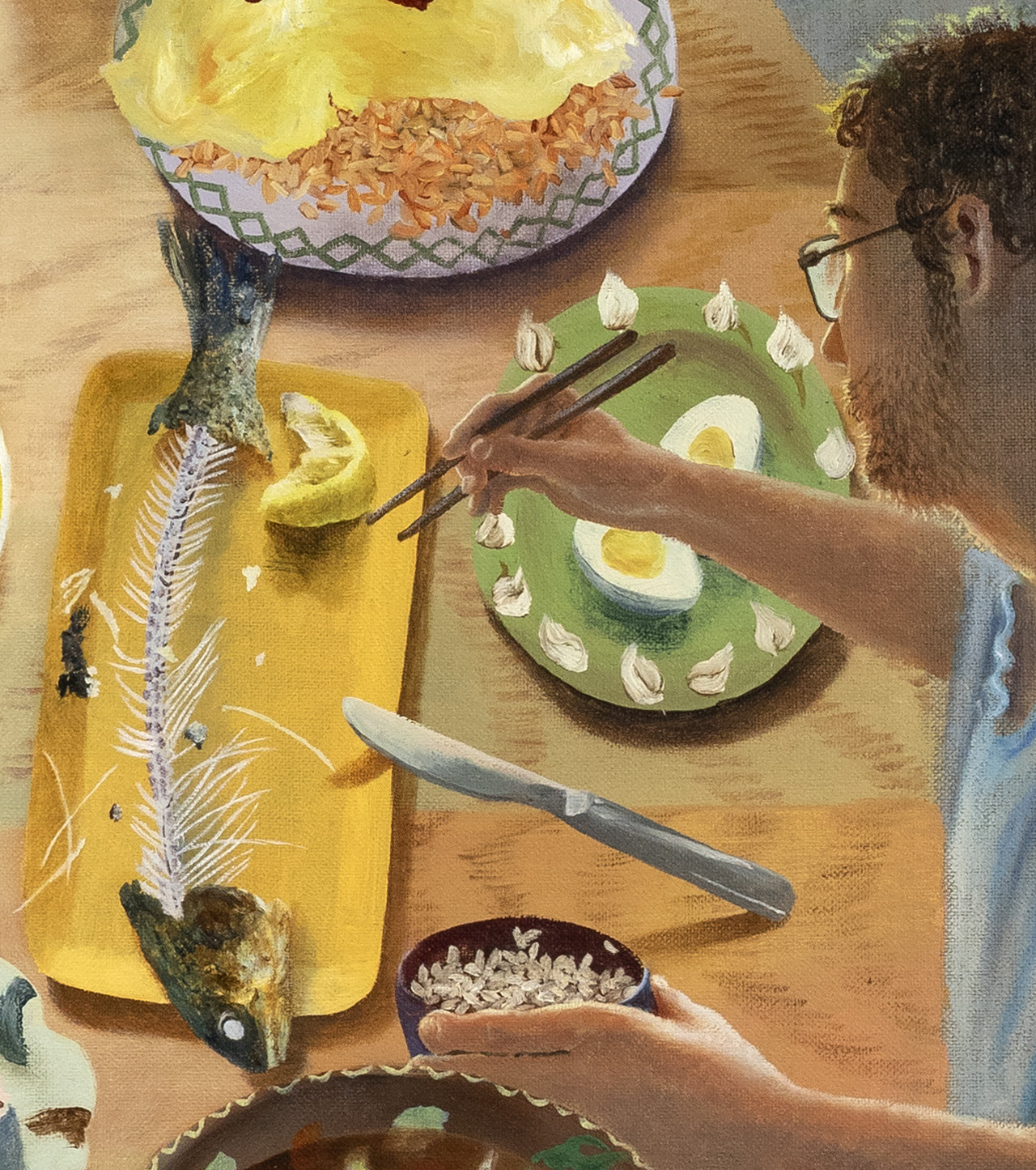
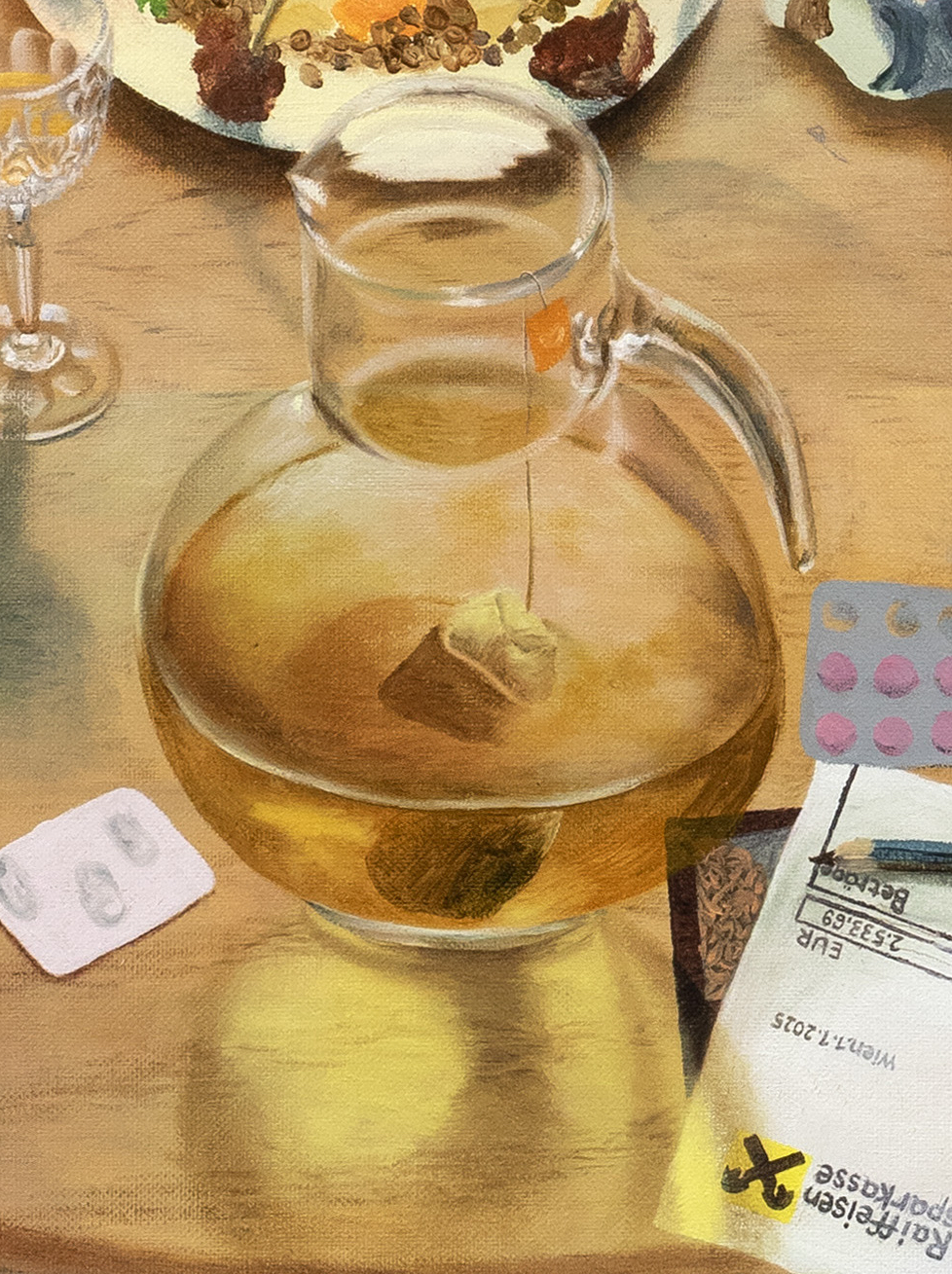
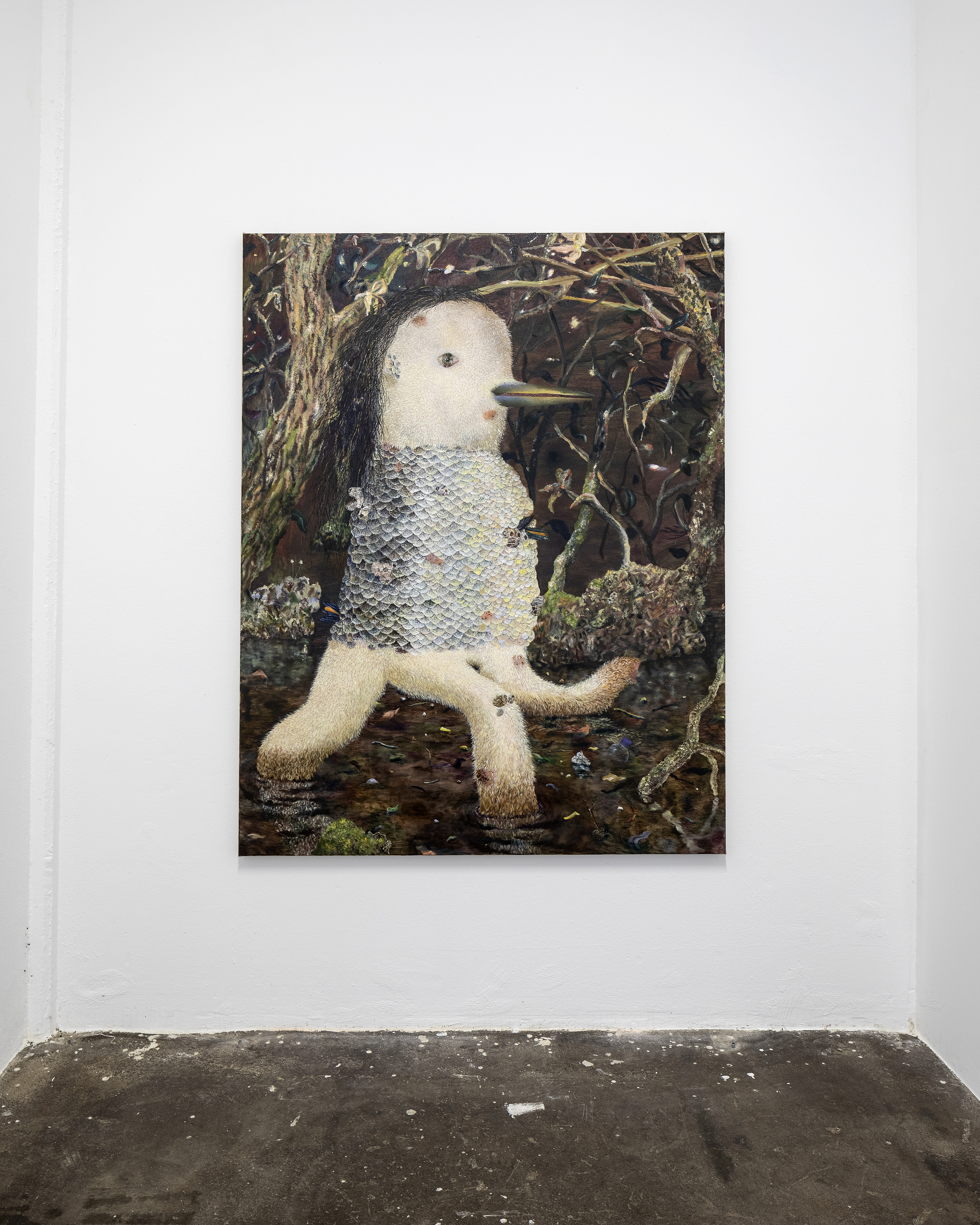
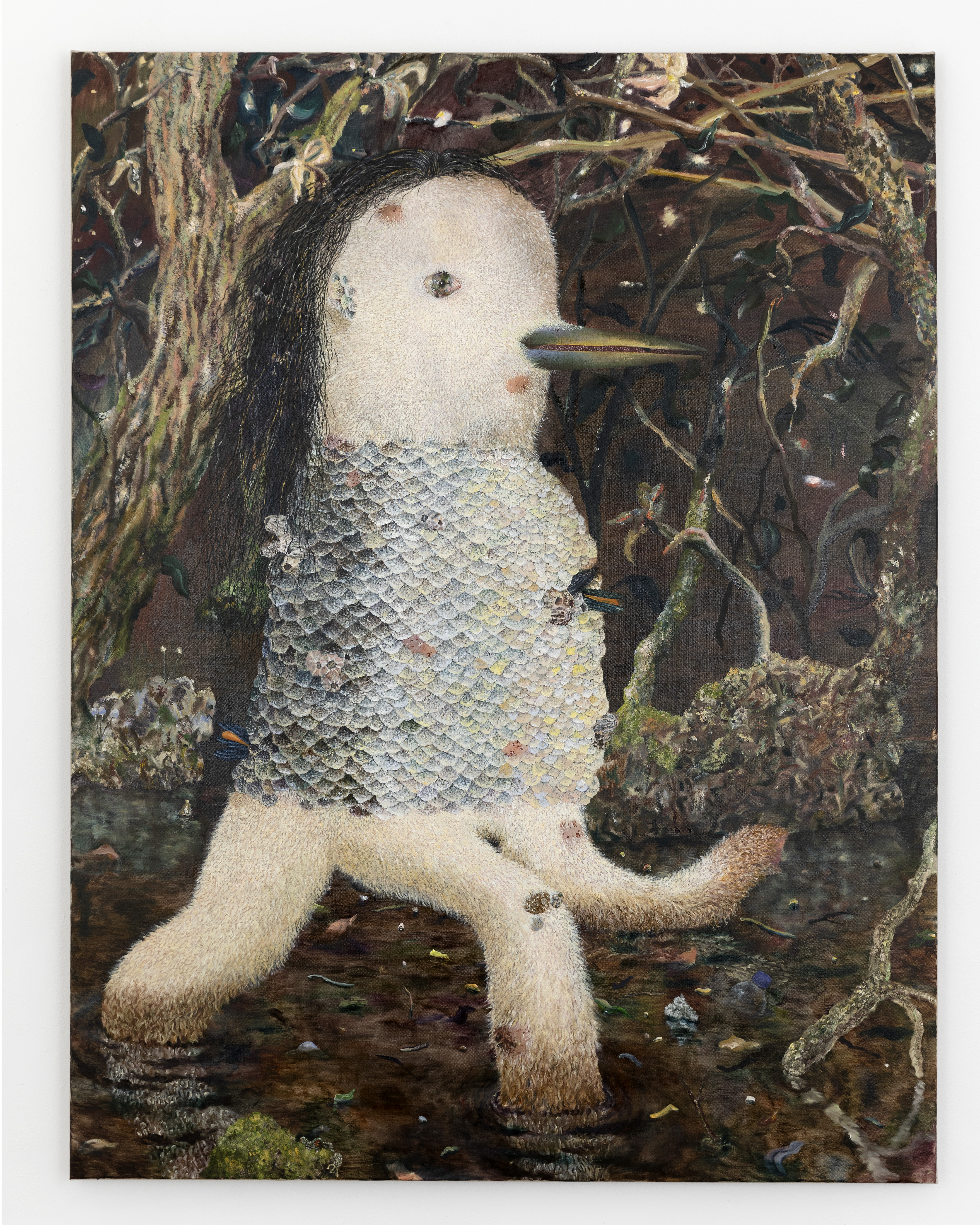
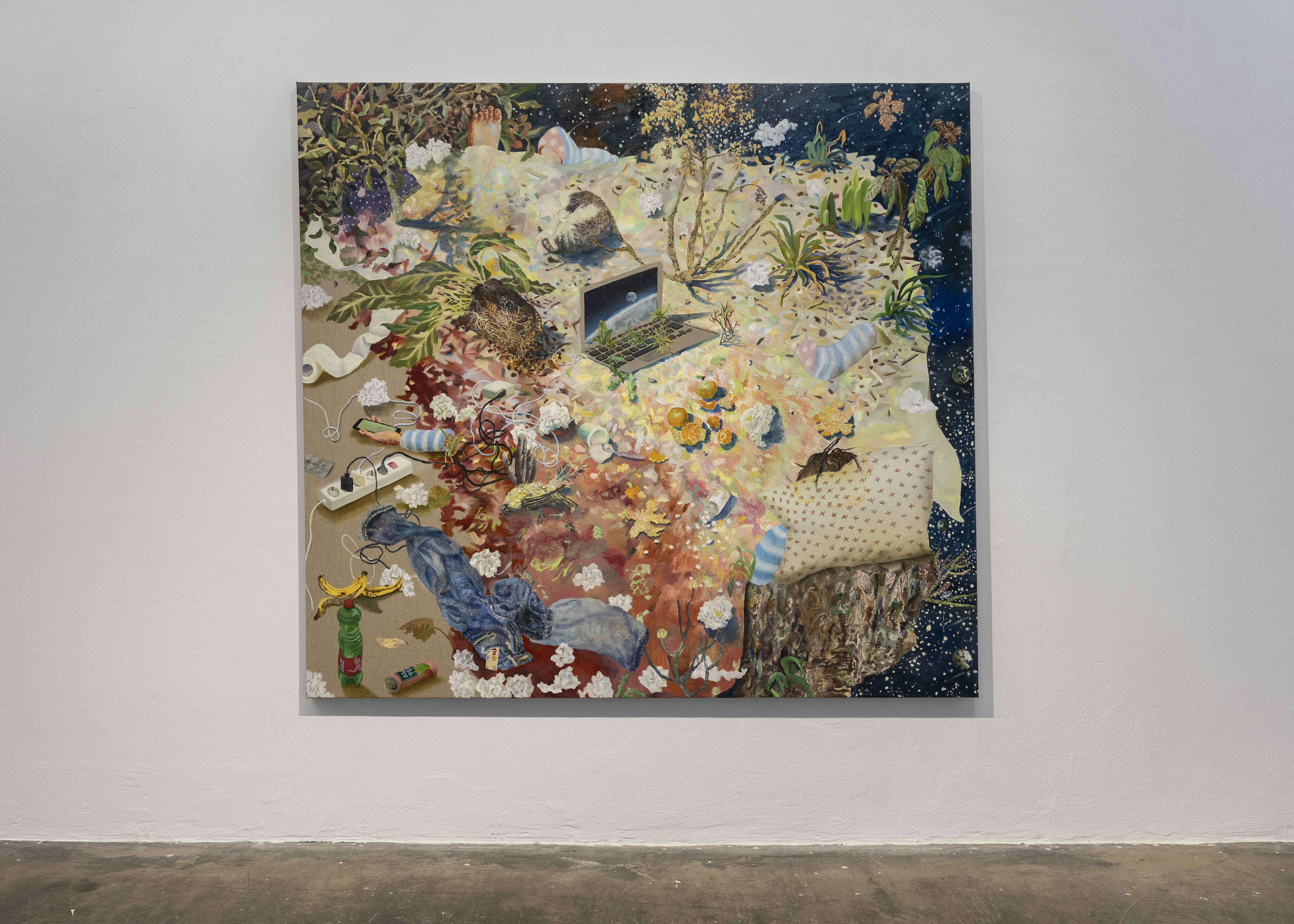
„Kappa in Kainisch“ 170 x 140 cm, oil on canvas, 2024
Fotos copyright: Joshua Hoven

Copyright: Joshua Hoven


Copyright: Joshua Hoven

Copyright: Joshua Hoven
A kappa (河童, „river-child“)—also known as kawatarō (川太郎, „river-boy“), komahiki(駒引, „horse-puller“), with a boss called kawatora (川虎, „river-tiger“) or suiko (水虎, „water-tiger“)—is a reptiloid kami with similarities to yōkai found in traditional Japanese folklore. Kappa can become harmful when they are not respected as gods. They are typically depicted as green, human-like beings with webbed hands and feet and turtle-like carapaces on their backs. A depression on its head, called its „dish“ (sara), retains water, and if this is damaged or its liquid is lost (either through spilling or drying up), the kappa is severely weakened.
The kappa are known to favor cucumbers and love to engage in sumo wrestling.They are often accused of assaulting humans in water and removing a mythical organ called the shirikodama from their victim’s anus.

Solo Exhibition „Über die Schwelle“ – in Catholic Church Hallstatt | 18.02.-28.03.2024


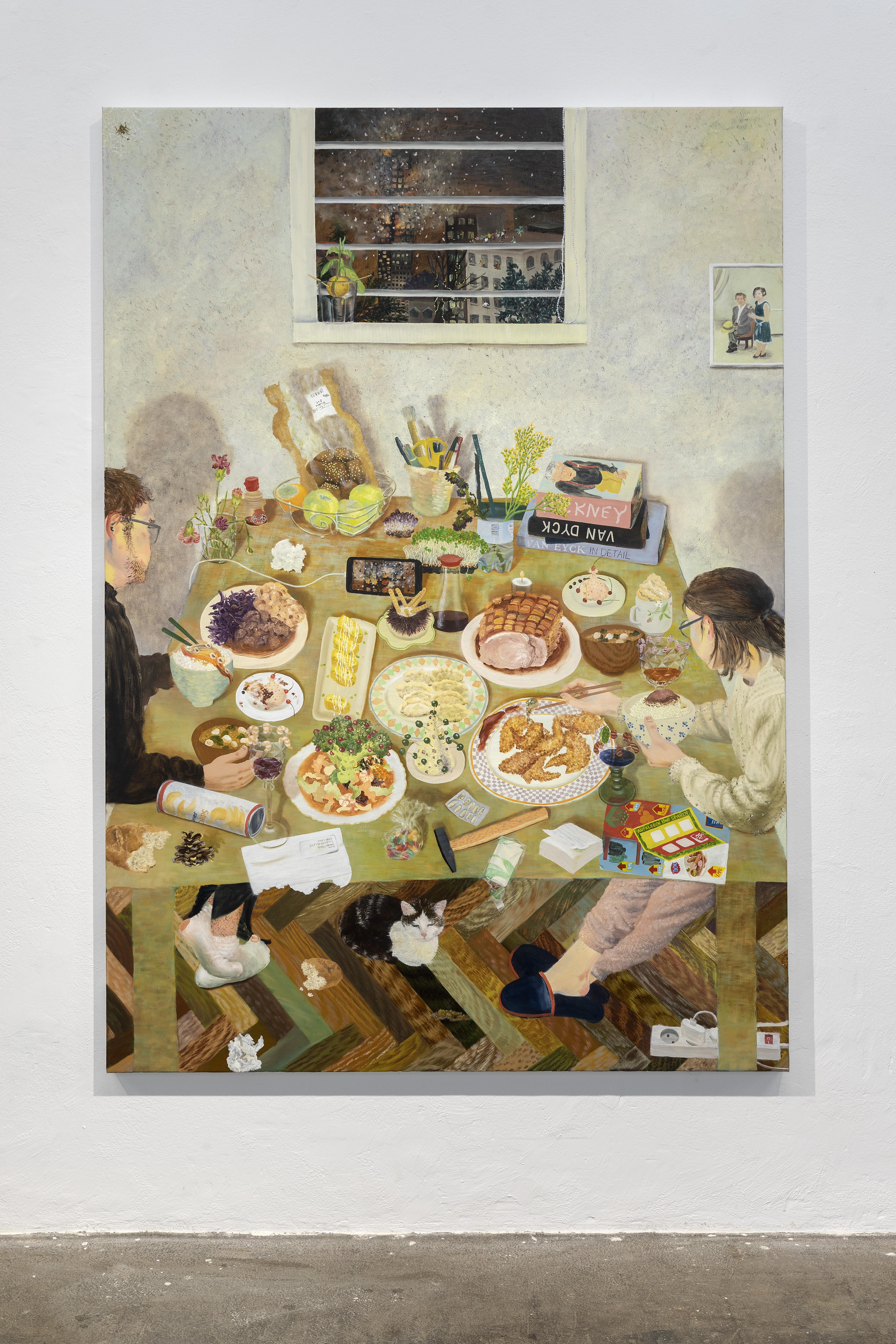
26 May – 1 July 2023 at Elektrohalle Rhomberg in Salzburg
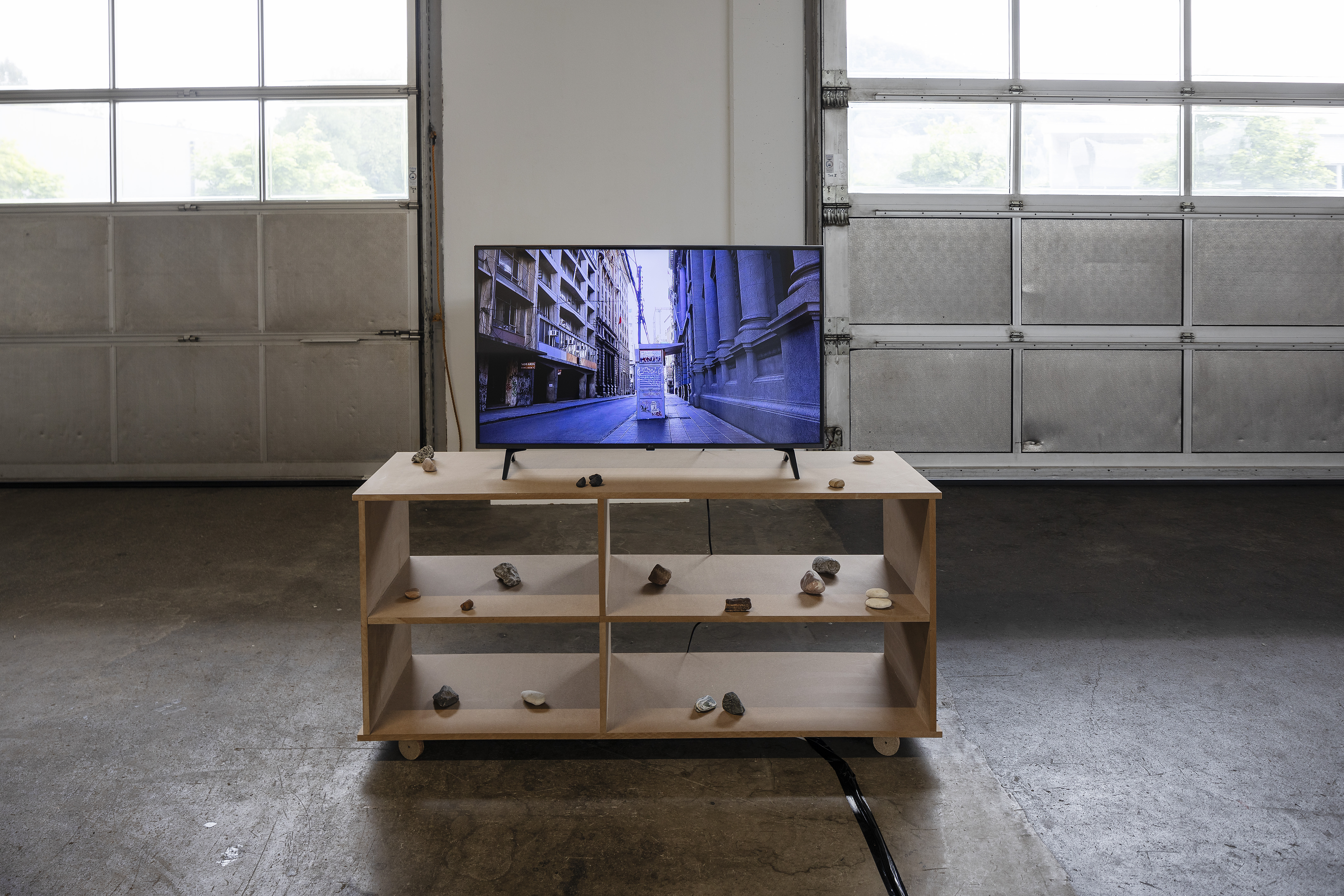
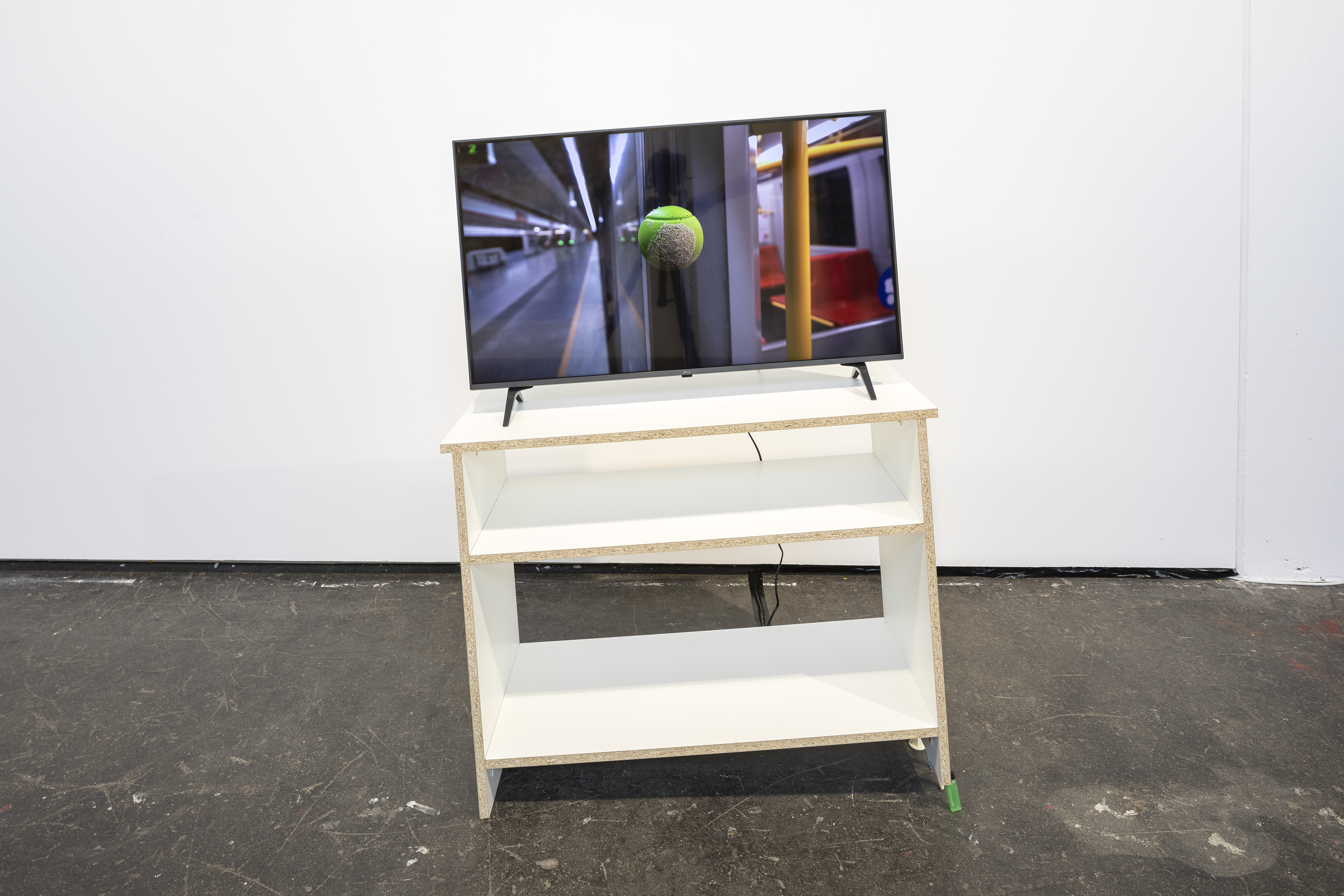
In their joint exhibition at Elektrohalle Rhomberg, Haruko Maeda (*1983) and Michael Heindl (*1988) reveal the fragility of the normality and the mundane. Through painting and film, they independently declare the always only supposedly existing normality to be the central aspect of a contemporary, human crisis. In the combination and juxtaposition of their works, a general problem is made tangible: the concept of the normal proves to be extremely imprecise and is always subject to the consistent change of realities of life.
Niklas Koschel